In brief
Belgium’s Prince Laurent formally acknowledged 26‑year‑old former car salesman Clément Vandenkerckhove as his son, making him a new prince by title but not by succession. The pair’s relationship dates back to an extramarital liaison with singer Wendy Van Wanten. Despite the new status, Clément will not receive a royal allowance or be eligible to sit in the line of succession. The story follows a long‑contained family dynamic that also involves former King Albert II’s recognition of a child from an earlier affair. The royal family’s recent move to formally recognise the paternity, though, reflects growing openness towards personal relationships within European monarchies.
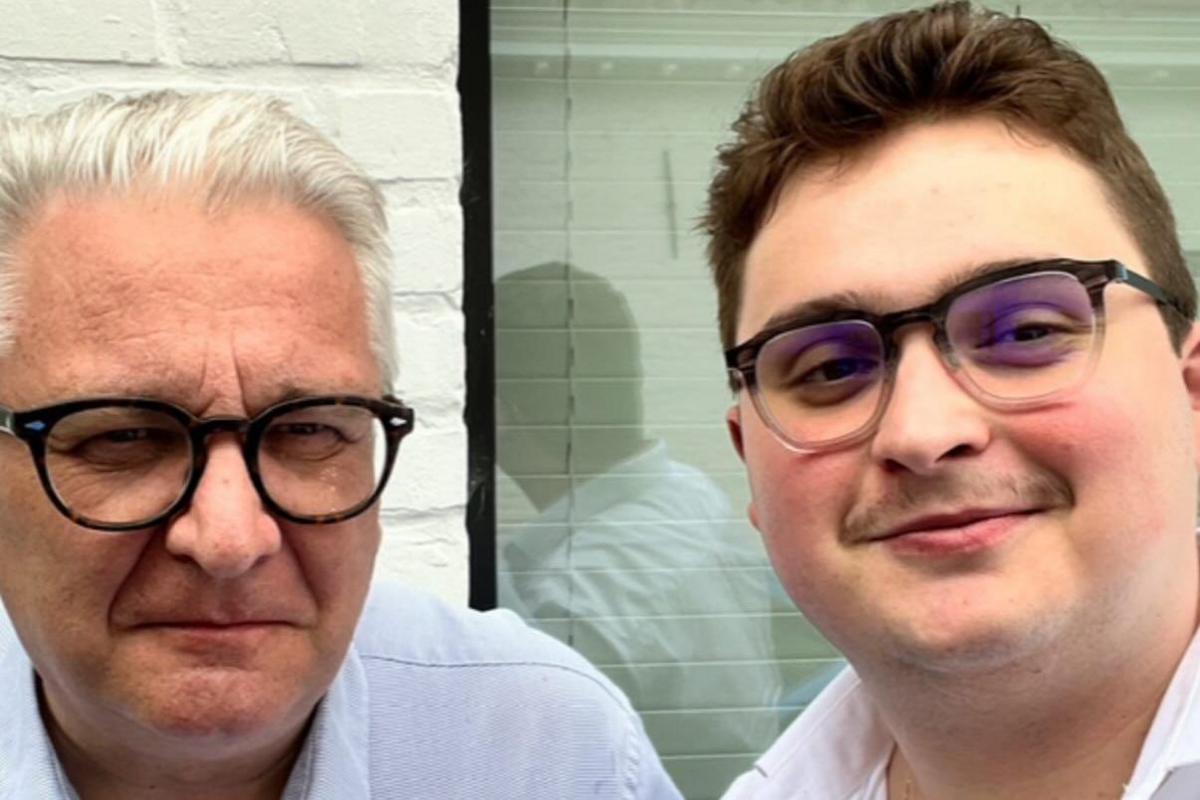
Belgium’s Prince Laurent has legally recognised 26-year-old former car salesman Clément Vandenkerckhove as his son and heir.
The ex‑salesman, whose lineage traces back to an affair between Prince Laurent and singer Wendy Van Wanten, quietly entered the royal household at a town‑hall ceremony six months ago, a fact that had remained hidden until now. In a statement issued earlier today, Prince Laurent confirmed the relationship, granting Clément a princely title. However, he will not receive a royal allowance, and he is not eligible for succession in the Belgian line.
The new prince, who has long embraced his public role, expressed uncertainty over adopting his father’s family name. "I might want to do that, but I am proud of the name Vandenkerckhove," he told the Dutch newspaper Het Nieuwsblad. "If I were to sacrifice that family name, it would be a betrayal of everything my mother has done for me."
The announcement comes after a series of high‑profile paternity revelations in the Belgian monarchy. Princess Louise, Prince Aymeric and Prince Nicolas have all heirs who are formally recognised, but Clément’s case marks a departure from the tradition of reserving succession credits for legitimate born children of the current monarch’s marriage.
Belgian audiences were already familiar with Clément’s story from a Flemish TV documentary that aired last September. He described the first time he met his royal father by accident in a shopping centre in 2013, and how their relationship developed once he discovered Prince Laurent’s true identity. Four years later, after a handful of phone calls, they finally met and decided to proceed with a DNA test. The results—showing a 99.5% match—were released by a hospital laboratory.
History of paternity disputes in Belgium has precedents that mirror Clément’s case. In 2020 former King Albert II acknowledged paternity of a child from an extramarital affair after a widely publicised DNA test. The mother, artist Delphine Boël, secured the right to the title “Princess” following a court battle. The law, revised in 2013, limits public allowances to King Philippe, King Albert II, Prince Laurent and Princess Astrid.
With the formal recognition complete, Clément will attend future royal events but will not take part in the public duties usually assigned to royal family members. Follow us for updates on how this new prince’s integration into the royal family unfolds, and what it could mean for the broader role of traditional monarchy in modern Europe.