
In brief
Amid proposed federal funding cuts for public broadcasting, local stations like KOTZ in rural Alaska fear losing crucial support that enables them to serve isolated communities.
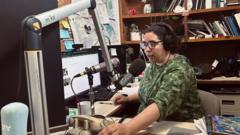
In the harsh winter of northern Alaska, journalists like Desiree Hagan brave severe weather to ensure their communities stay informed. Hagan, a reporter at KOTZ, which broadcasts to Kotzebue and 12 nearby villages, recalls her struggle to reach work during a ferocious storm. As the Arctic conditions worsened, she focused on getting critical updates out to residents in real time. "Winter is not a joke here, it is life and death," she emphasized, highlighting the importance of her role in keeping people informed about local emergencies.In stark contrast, hundreds of miles away in Washington, D.C., a significant vote threatens the very existence of such crucial public services. The Senate is set to decide this week whether to retract $1.1 billion from the Corporation for Public Broadcasting (CPB), the main body funding public media throughout the U.S. This proposed cut forms part of a larger financial package pushed by President Trump, who vocally opposes funding for outlets like NPR and PBS, labeling them biased and calling for Republican senators to support the cuts.Despite criticism, executives at NPR and PBS assert their adherence to journalistic integrity. However, a Pew Research study indicates that a significant number of Republican voters lack trust in these outlets, preferring to seek information elsewhere. This proposed funding reduction, while affecting national broadcasters, stands to hit rural media stations particularly hard, as over 70% of CPB funds are allocated to local entities. Notably, KOTZ relies on public funding for 41% of its operating budget, a lifeline for services that cover expansive areas often forgotten by commercial media.Public media cuts sparked debate, with some senators expressing their concerns. Republican Senator Lisa Murkowski of Alaska pointed out how detrimental these cuts could be, referencing the invaluable service public broadcasting provides, particularly in rural regions that depend on it for life-saving information. Fellow senators Susan Collins and Mitch McConnell have raised alarms over repercussions for their rural constituents.Opposition to funding caps has persisted across various Republican administrations, rooted in claims that citizens shouldn't bear the financial burden of broadcasters they perceive as derisive. Critics argue that there is no demand for federal funding for public media, suggesting private entities should fill gaps. However, the stark reality is the prevalence of news deserts—areas void of local journalism—affecting millions, particularly in rural America which largely supported Trump in recent elections.In Texas, news director Travis Bubenik expressed concern, stressing that his local station relies heavily on federal grants and that a funding cut would jeopardize their ability to deliver quality news. "It's frightening," Bubenik admitted, foreseeing possible closure or a decline in service. All eyes remain on the Senate vote, which must occur before the deadline, and any alterations to the bill will necessitate House approval before heading to the President's desk. As Hagan looks out over the Alaskan landscape from her station in Kotzebue, she clings to hope that enough senators will advocate for the critical role local public media plays in their communities. She fears the consequences of potential cuts would ripple through the fabric of society, undermining the very essence of local news and connection.



