In brief
Amid a fragile atmosphere in northern Israel, displaced citizens voice concerns about returning home and the implications of the ceasefire deal with Hezbollah.
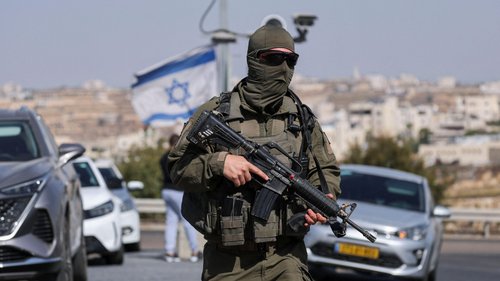
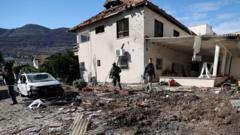
In a recent announcement, Israeli Prime Minister Benjamin Netanyahu highlighted the nation’s "unprecedented achievements" during a prolonged seven-front conflict, which he claimed has significantly set back Hezbollah's capabilities in the region. The ceasefire, he asserted, would strategically allow Israel to refocus on the Iranian threat, indicating that the country would maintain military autonomy to act against potential Hezbollah provocations.As tensions remain high, the Israeli Defense Forces reported targeting 180 sites in Lebanon just 24 hours prior to the announcement of the ceasefire. Along the border, constant warnings of incoming rocket fire and drone strikes heighten the sense of urgency and trepidation among citizens. Despite Netanyahu's claims of victory, his political adversaries accuse him of capitulation, leading to a split national sentiment regarding the ceasefire. Recent polls indicate that only 37% of Israelis support the cessation of fighting, while 32% oppose the deal, and nearly one-third of respondents remain undecided.Displaced residents from northern Israel, notably those evacuated from areas like kibbutz Kfar Giladi, are struggling with feelings of anger and distrust regarding the ceasefire arrangement. Local English teacher Shelly criticized the decision as "irresponsible," while residents like Rona Valency expressed their fears about the potential resurgence of Hezbollah in their communities. She articulated her deep unease about the safety of returning home, stating, “The only thing I can hope for is that Hezbollah will not infiltrate these villages and build a new network."Rona's husband, Onn, emphasized the necessity of understanding the geopolitical realities of their region and expressed skepticism about the effectiveness of the Lebanese army and international forces securing the border. “I trust only our army,” he asserted, underscoring the pervasive lack of confidence in external entities ensuring their safety.While Israel has reportedly achieved significant military milestones—diminishing Hezbollah's resources and their alliance with Hamas—the human cost of conflict remains high. Thousands face displacement, economic strife, and uncertain futures. Amidst this turmoil, many in Israel are calling on Netanyahu to maintain offensive action in Lebanon, questioning the consistency of his response in a war-torn region where he has proclaimed a commitment to "total victory" in Gaza.