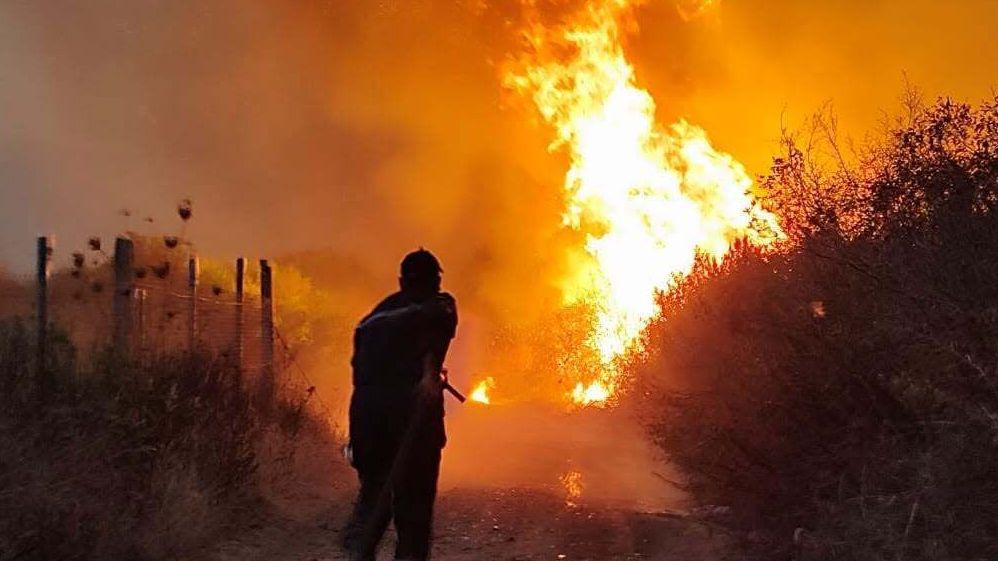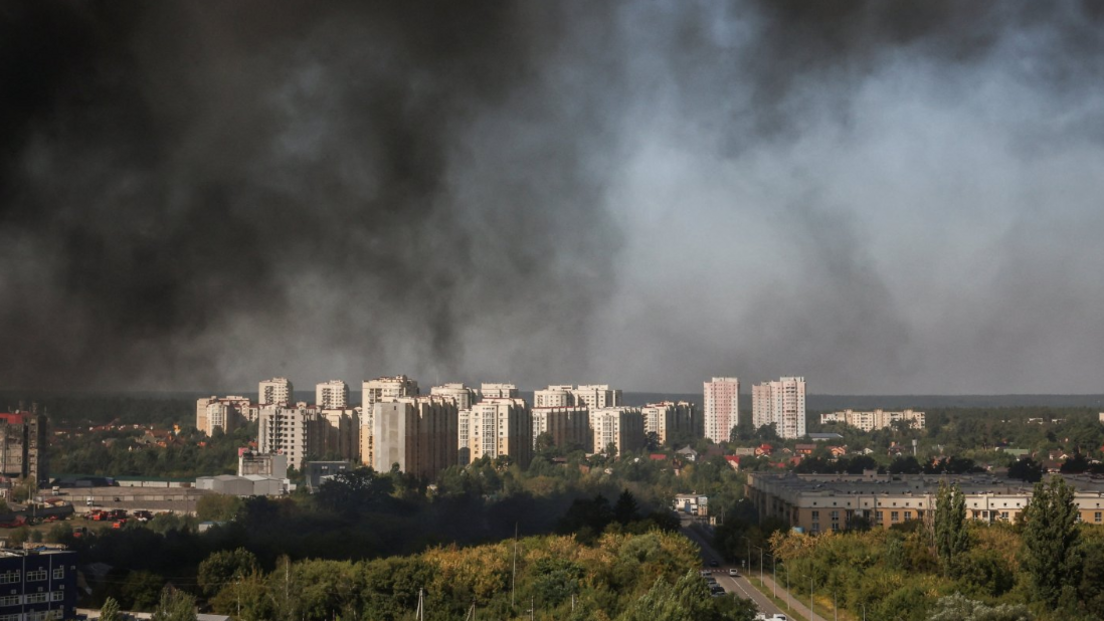
The summer’s unprecedented heatwaves have ignited devastating wildfires across France and Spain. 300,000 people have been forced from homes, and the blaze near Bordeaux has consumed more territory than any year in the 21st century.
The fires started in Gironde, a region known for vineyards, and have spread over 162 square miles in less than four days – roughly four times the size of Paris. The flames are now only nine miles from the South of Bordeaux.
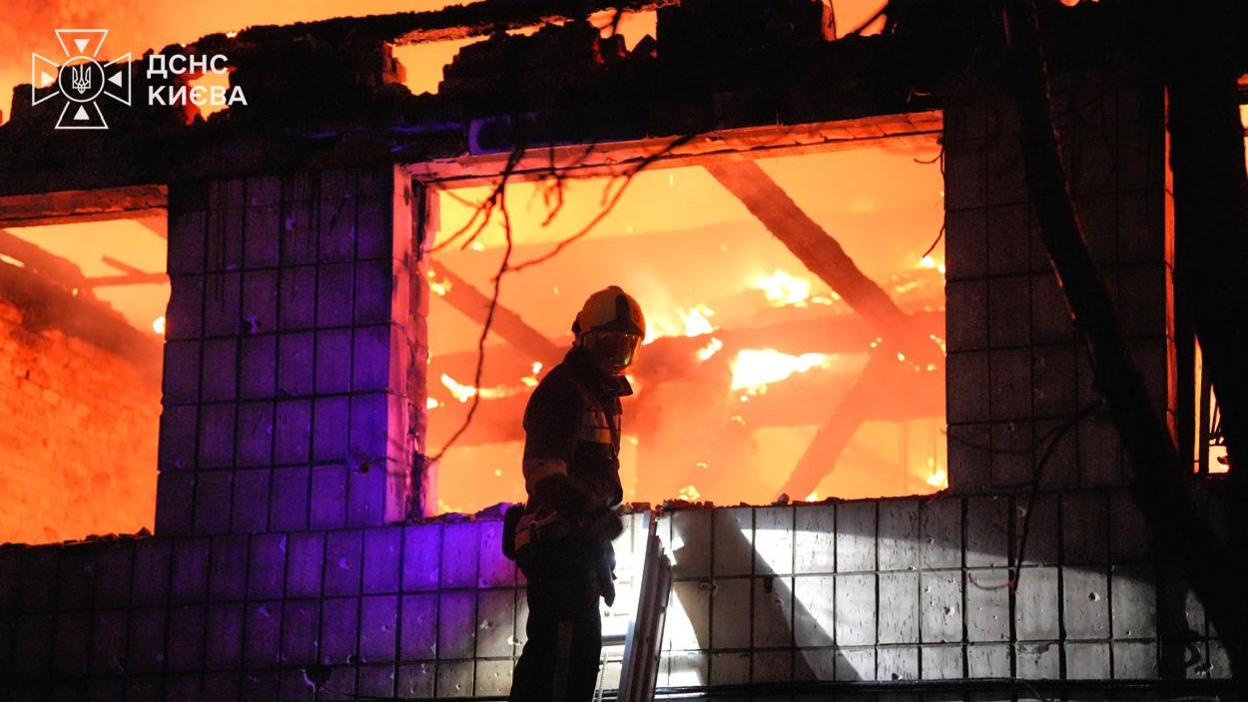
Public safety teams in France deploy 2000 firefighters, 1500 military units and 1200 police officers to fight the fire. They use bulldozers and diggers to carve 100‑metre wide firebreaks, stripping vegetation to prevent further spread.
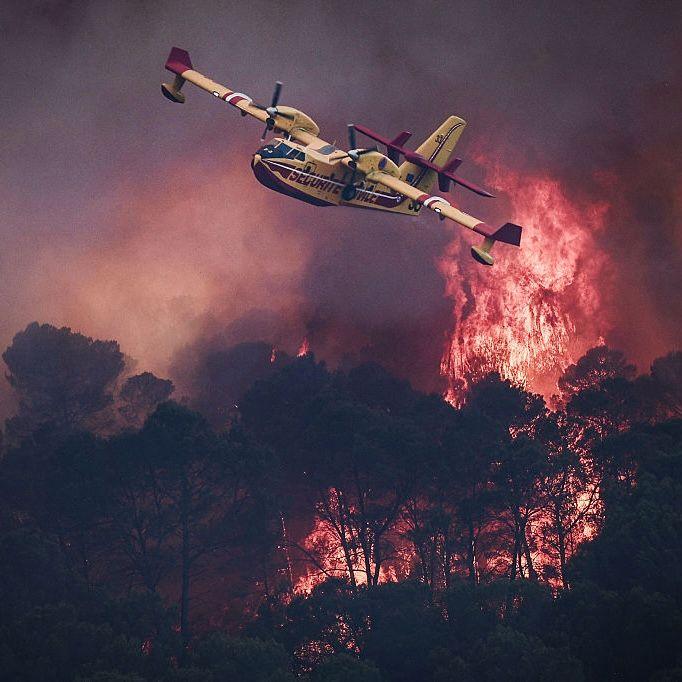
Alongside ground crews, French pilots fly planes equipped with retardant and the Canadair 450, a lake‑or‑sea‑dropping machine that can scoop 6000 litres of water in 12 seconds. Aircraft patrol high‑risk areas before fires are reported, dropping water within minutes of a sighting.
The fires have taken a toll on sensitive sites, threatening military and industrial facilities that handle ballistic missiles, rocket motors and hazardous chemicals. Satellite images show scorched black earth and smoke drifting inland.
Spreading so fast, the fires have even birthed a fire thunderstorm. Heat rises from the flames, carrying smoke, ash and water vapour high, cooling and condensing into a cumulonimbus cloud that can produce its own lightning – new ignition points for the blaze.
The intensity of these extreme conditions hinders firefighting efforts. Spanish teams employ the same tactics, with their delegate describing Madrid’s fires as the largest in the region’s history.