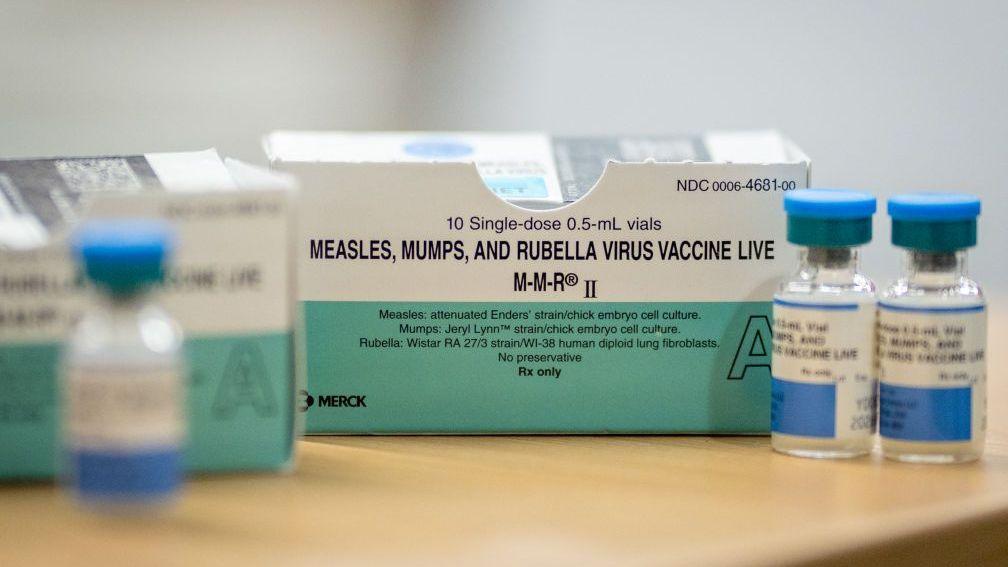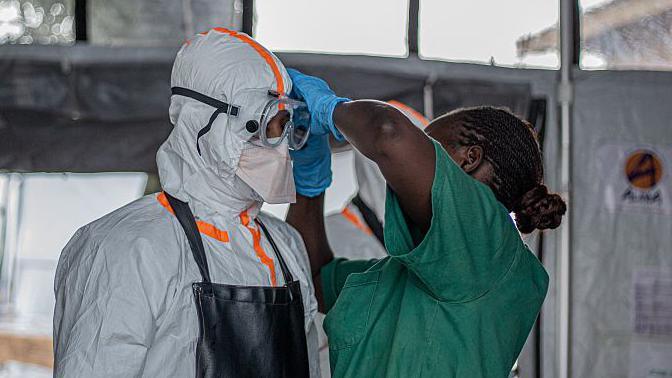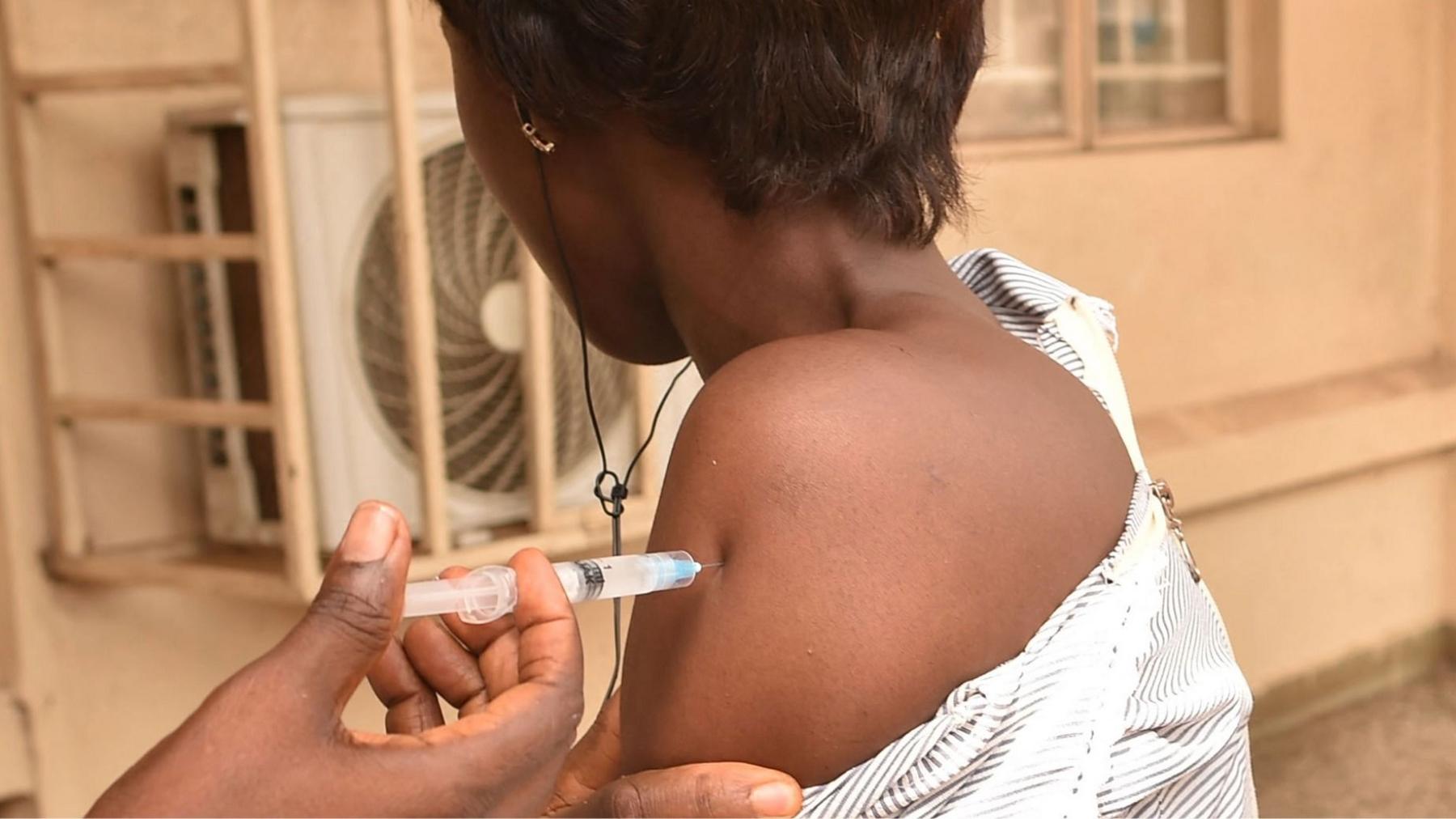
DR Congo stands on the threshold of a new chapter in its long battle against Ebola as the government rolls out dozens of thousands of doses of the Ervebo vaccine and begins a clinical trial to test its effectiveness against the Bundibugyo strain that has taken hold in the country.
The Ervebo shot is already licensed to protect against the Zaïre species of Ebola, the first major strain that caused widespread mortality in the early 2000s. Bundibugyo is rarer and, until now, no vaccine had been proven to stop it.
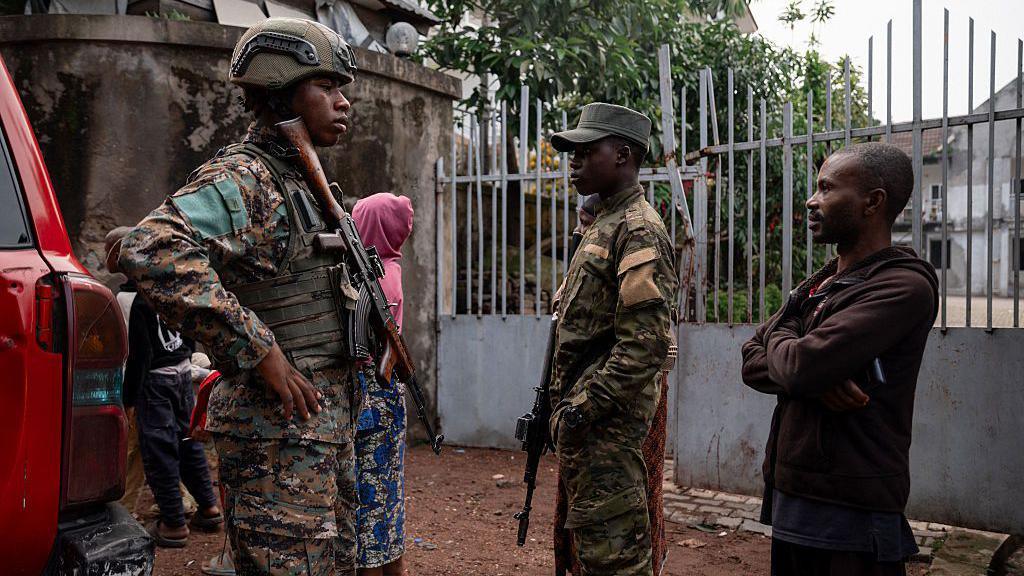
WHO’s most recent warning describes the outbreak as “growing exponentially” in the north and east of DR Congo, over an area that now exceeds the size of France, and it has claimed more than 2,500 deaths in just three months. The virus’s rapid spread was initially masked by misdiagnosis as typhoid or malaria, and the conflict‑torn East, dominated by the M23 rebel group, further blurs the lines of response.
In an effort to protect the most exposed staff, 20,000 doses will feed into a research study while 50,000 will be front‑line ready. The World Health Organization and the Africa Centres for Disease Control and Prevention praised the allocation as a vital reinforcement of the effort to curb the epidemic.
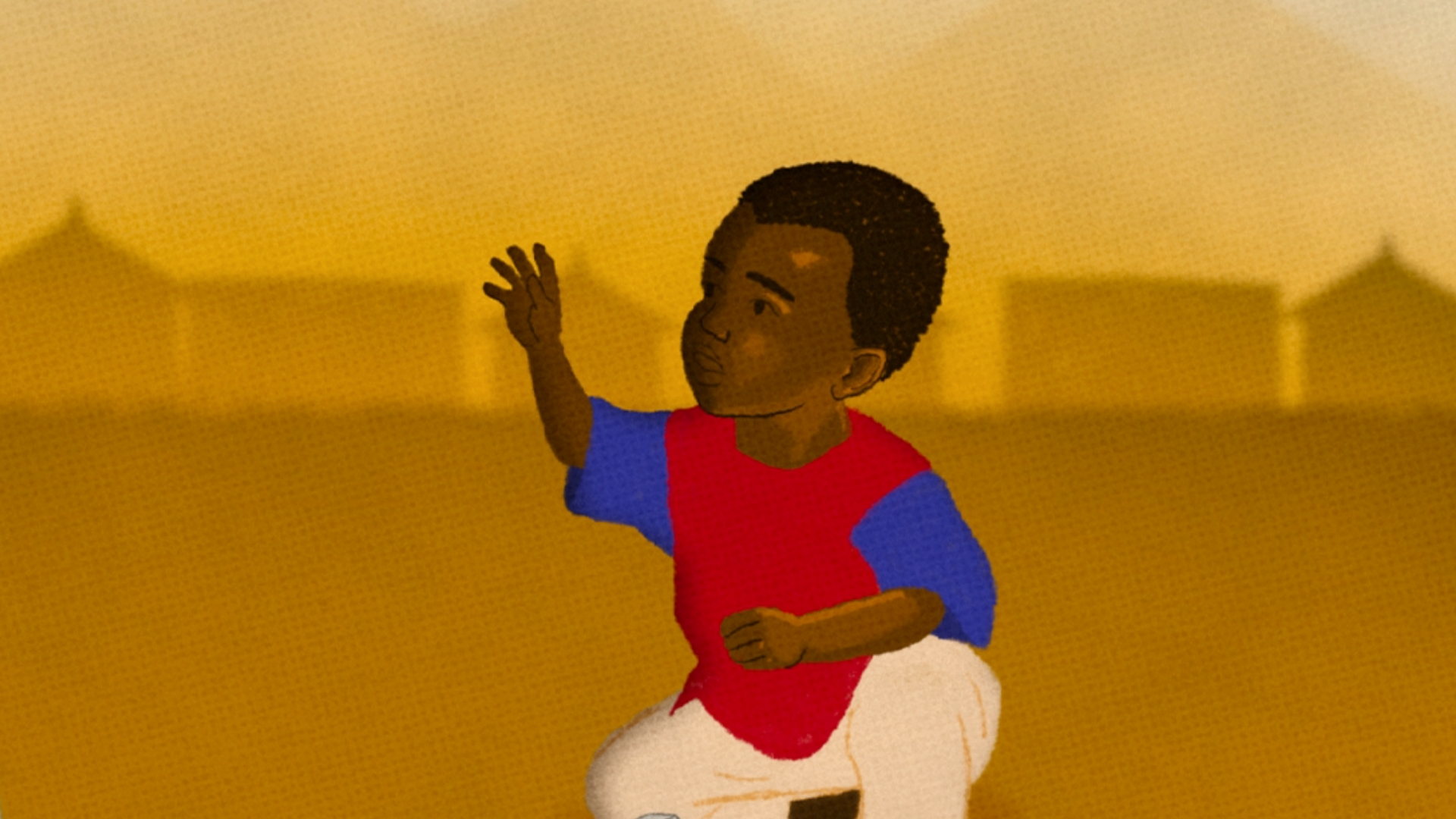
Save the Children reports that at least 180 Congolese children have lost both parents or caregivers since the outbreak began – a stark reminder of the social toll of the disease beyond the numbers on the table.
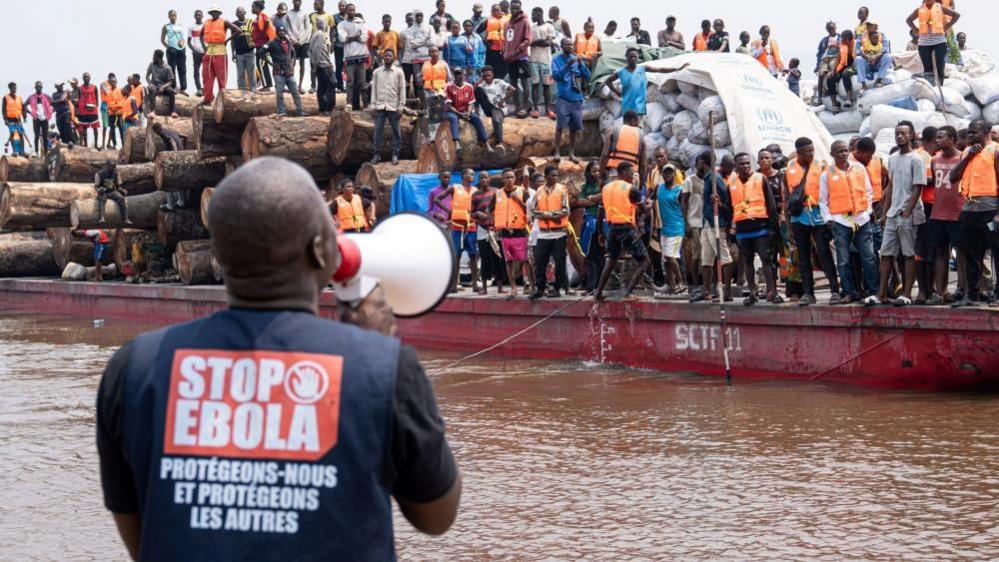
M23 officials in the eastern provinces have tightened travel restrictions, suspending shared taxis and boats between rebel and government zones for a month to prevent new spreads following two recent cases. Despite these steps, the virus remains a deadly threat, with symptoms ranging from fever and headache to vomiting and diarrhea, and can transmit via contact with bodily fluids.
In the face of conflict, misinformation, and a rare virus, the hope held by health workers and partners is that the vaccine trial will unlock a powerful tool to save lives and bring the outbreak under control, securing the future of communities that have already suffered terribly.