In brief
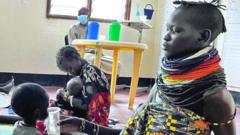
In Kakuma, a refugee camp harboring approximately 300,000 individuals who escaped violence in their home nations, emaciated children crowd the wards of Amusait Hospital, signaling an urgent humanitarian crisis.
The article text:In the sprawling Kakuma refugee camp located in north-west Kenya, hundreds of thousands are facing severe food shortages and malnutrition after recent cuts to US foreign aid significantly reduced food rations. According to a United Nations official who spoke to the BBC, these reductions have caused a humanitarian disaster, with the impact painfully evident in local hospitals where numerous children are being treated for severe acute malnutrition.The camp, which is home to around 300,000 refugees escaping violence from various African and Middle Eastern countries, is experiencing one of the worst food crises in its history. Inside the 30-bed ward at Amusait Hospital, emaciated children receive necessary medical attention, with many appearing lifeless as they struggle against the malnutrition that afflicts them. Notable cases include an infant named Hellen, who lies unresponsive, and James, a nine-month-old baby who only eats once daily. His mother, Agnes Awila, a refugee from northern Uganda, expresses her despair over the inadequate food supply, pleading for help to feed her children.The dire situation stems from major cuts to the World Food Programme (WFP), which traditionally provided vital sustenance to refugees. After former President Donald Trump's administration announced sweeping cuts to foreign aid, the US significantly reduced its contribution, which previously accounted for 70% of the WFP's funding in Kenya. As a result, rations for refugees have plummeted to only 30% of the recommended intake necessary to maintain health. Felix Okech, head of refugee operations at the WFP in Kenya, lamented that without change, the consequences could lead to a slowly starving population.At the food distribution center in Kakuma, long queues of refugees await their meager rations of lentils and rice, aided by local security personnel. Many like Mukuniwa Bililo Mami, who has lived in the camp for over a decade, are thankful for any assistance but recognize that the rations fall hopelessly short of sufficiency; she recalls a time when families could afford three meals daily. The cuts also eliminated cash transfers that supported many refugees in purchasing essential items, affecting the local market and making it more difficult for families to meet their dietary needs.In addition to the struggles of mothers like Ms. Mami, some shop owners, such as Badaba Ibrahim from Sudan, face repercussions as customers cannot afford food, leading to a decline in business. Desperate without sufficient aid, families like that of Agnes Livio, originally from South Sudan, can only provide a single meal a day for their children, often waiting until the afternoon for food.As exhausted relief workers discharge malnourished infants, the looming threat of starvation hangs over the camp. Despite hints of potential support from a few donors, experts like Mr. Okech stress the urgent need for revitalized funding, emphasizing the critical reliance on US aid, which is still missing from the equation. The call for help grows louder in a community where the availability of sufficient food is increasingly uncertain.