
In brief
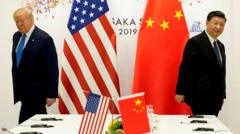
As both nations refuse to relent in their tariff standoff, U.S. agricultural producers face steep price hikes while analysts warn of potential global trade disruptions.
The escalating tension between China and the United States over tariffs shows no signs of abating, with both leaders entrenched in their positions. American exports are about to face a significant downturn, as a new 34% tariff imposed on all U.S. goods entering China threatens to drive many companies out of the lucrative Chinese market, especially those in the agricultural sector. This latest tariff comes on top of existing tariffs ranging from 10% to 15% already placed on U.S. agricultural products in response to similar measures from President Trump. The additional costs could push many American farmers out of the Chinese market entirely, which is particularly disheartening given China's willingness to source food products like chicken, pork, and sorghum from alternative countries, thereby aggravating the situation for U.S. producers.Concerns are mounting in the broader global context, as intertwined supply chains mean that disruptions in trade between these two economic powerhouses could send shockwaves throughout the world economy. Analysts fear that as economic tensions rise, the effects might escalate into a full-blown trade crisis, impacting countries far beyond the U.S. and China.The reaction from Beijing to Trump's tariffs has been swift, with the Chinese finance ministry announcing "resolute countermeasures" at a time designed to mitigate domestic impact. This timing, occurring late on a Friday during a public holiday, may reflect multiple strategic considerations—ranging from attempting to limit domestic panic to signaling a lack of willingness to negotiate further with the Trump administration.Interestingly, while tensions simmered, President Xi Jinping engaged in a public act of environmental support by planting trees, projecting an image of calm and resilience amid the storm of U.S. tariffs. This illustrates a stark difference in approach compared to the U.S. response, suggesting a possible hardening of China's stance regarding future negotiations.Though a resolution between the two nations could still be possible, the current narrative does not suggest a shift toward cooperation. If the U.S. continues to escalate its tariffs while China pivots towards increasing trade with non-U.S. partners, the repercussions could reverberate back to American consumers as they face higher prices due to these ongoing trade tensions. The future remains uncertain as both nations dig in, with American consumers facing the brunt of rising costs due to tariffs.
