The BBC's investigation, which included the identification of specific security personnel involved in the shootings, has prompted human rights organizations like Amnesty International and the Kenya Human Rights Commission (KHRC) to demand that those responsible be held accountable. The government has attempted to downplay the documentary's claims while simultaneously initiating investigations by the Independent Policing Oversight Authority (IPOA).
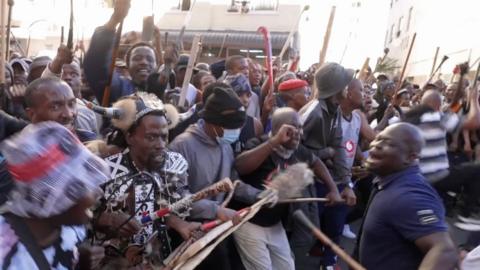
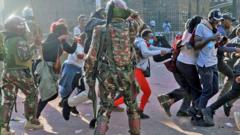
Critics of the government have voiced their anger, asserting that the police and military deliberately targeted peaceful protesters during the demonstrations in late June, which coincided with the parliament's approval of new tax hikes. Amidst a backdrop of official denial regarding the brutality, the BBC documentary’s revelations have stirred a significant public outcry, leading to calls for a public inquiry into the events.
In response to the mounting tensions, the IPOA acknowledged ongoing investigations into more than 60 reported deaths linked to the protests, with a focus on cases involving gunfire. While certain lawmakers defend the documentary and its stark portrayal of the events as essential for truth, others express concern over potential unrest, suggesting that the media's coverage risks inciting violence.
As Kenya grapples with the aftermath of the protests, the legitimacy of law enforcement actions remains a focal point of debate, with human rights advocates rallying for justice on behalf of those who lost their lives due to excessive force used by the police and military during the demonstrations.
The citizens of Kenya continue to engage in discussions online, urging the government to ensure accountability for its security forces and demanding that justice be served for the families affected in the wake of these tragic events.
Critics of the government have voiced their anger, asserting that the police and military deliberately targeted peaceful protesters during the demonstrations in late June, which coincided with the parliament's approval of new tax hikes. Amidst a backdrop of official denial regarding the brutality, the BBC documentary’s revelations have stirred a significant public outcry, leading to calls for a public inquiry into the events.
In response to the mounting tensions, the IPOA acknowledged ongoing investigations into more than 60 reported deaths linked to the protests, with a focus on cases involving gunfire. While certain lawmakers defend the documentary and its stark portrayal of the events as essential for truth, others express concern over potential unrest, suggesting that the media's coverage risks inciting violence.
As Kenya grapples with the aftermath of the protests, the legitimacy of law enforcement actions remains a focal point of debate, with human rights advocates rallying for justice on behalf of those who lost their lives due to excessive force used by the police and military during the demonstrations.
The citizens of Kenya continue to engage in discussions online, urging the government to ensure accountability for its security forces and demanding that justice be served for the families affected in the wake of these tragic events.