In brief
Liberland, a disputed plot of floodplain on the Danube, has become a testing ground for crypto‑driven governance. The state’s president, Vít Jedlička, offers a token called Libert Merits that lets citizens buy votes, turning wealth into influence. Bitcoin‑style entrepreneur Justin Sun, among thirty other tech magnates, has poured billions into the project, while ties to the Trump family and regulatory allegations add controversy. Other micronation projects—such as Secasteading's Seasteading Institute and Draper Nation—mirror Liberland’s ambition to replace traditional nation‑states with blockchain‑based “corporate monarchies”. This experiment highlights how emerging technology may concentrate power in the hands of the wealthy, raising questions about the future of democratic governance.
A tiny state, a big ambition
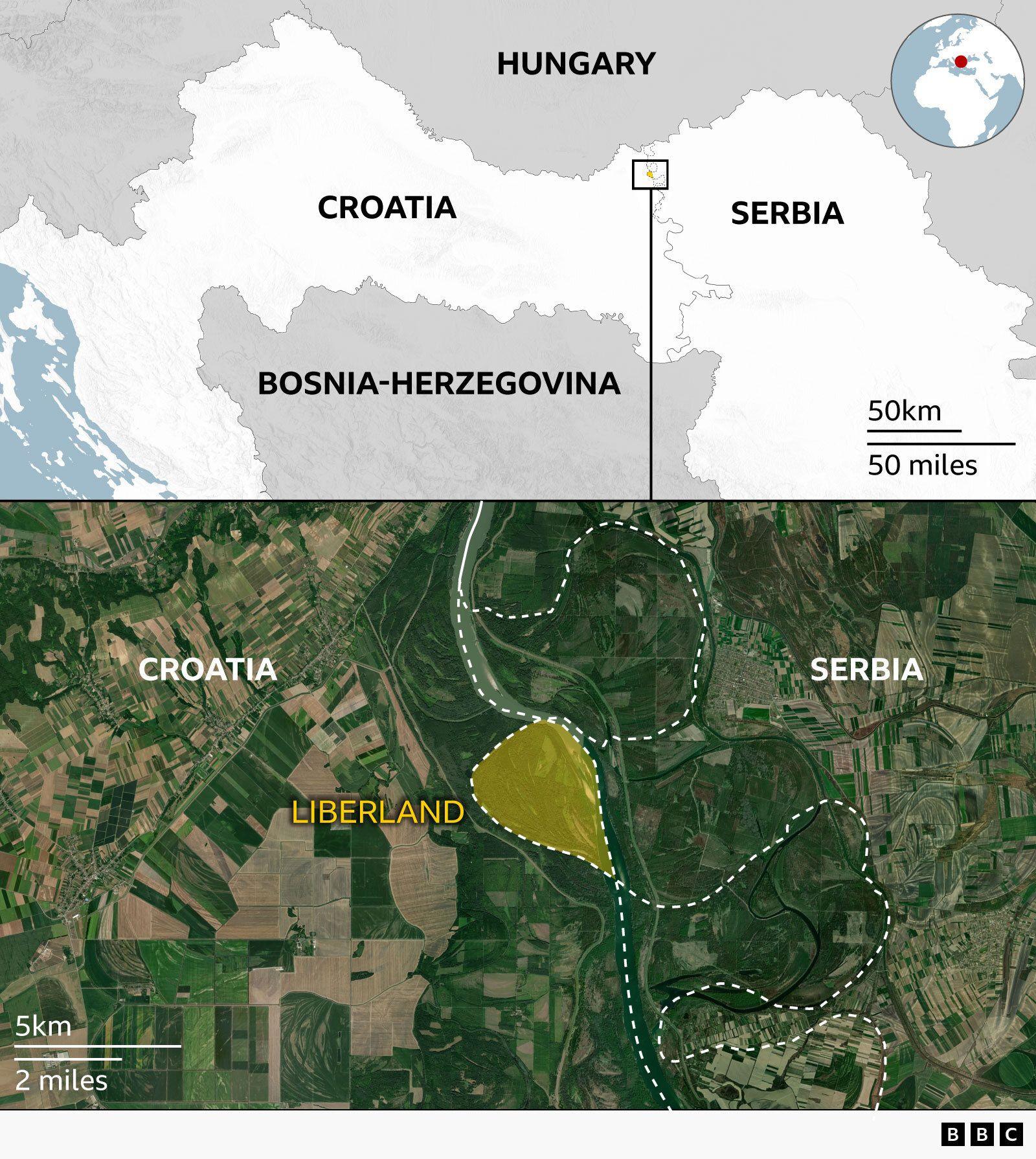
Stretching across a flat, muddy stretch of Danube floodplain, the Free Republic of Liberland looks more like a garden than a country. But beneath the scene of tents and tree‑houses, it gathers some of the world's richest tech investors. The state’s president, Vít Jedlička, has built an economy that lets citizens buy influence via a crypto token called Liberland Merits.
Money buys a vote
In Liberland, not every citizen has an equal say. The more Merits a person holds, the greater their voting power in choosing local leaders. That turns money into a direct path to political influence, a sharp contrast to the one‑person‑one‑vote model in most democracies.
The crypto elite behind the nation
Justin Sun, the son‑in‑law of the Trump family and founder of the Tron blockchain, is one of the richest figures backing Liberland. His platform, which once faced charges of fraud and market manipulation, is now used to power liberaland’s governance framework. Sun’s investment, reportedly more than $75m, sits alongside millions he has poured into other Trump‑aligned crypto ventures.
Other micronations echo the vision
Liberland is not alone. Prospera in Honduras, Peter Thiel’s Seasteading Institute and Tim Draper’s Draper Nation all aim to create independent digital states that run on blockchain‑based currency and governance. These projects share the belief that technology can replace the nation‑state, offering a “corporate monarchy” led by powerful shareholders.
Is the future a corporate monarchy?
Tech billionaire Curtis Yarvin, known for the Dark Enlightenment, promotes a system where sovereign mini‑countries compete for citizens like businesses compete for customers. He argues that blockchain can make governments a thing of the past, leaving decision‑making to a hidden board of shareholders and CEO‑kings. The crypto lobby’s political spending now eclipses traditional petroleum‑industry influence, underscoring the growing power of tech wealth.
What next for Liberland?
While Liberland’s digital platform is still in early stages, the influx of private capital and the ambition to decentralise governance signal a potential shift in how people interact with the state. The real test will be whether the system can function beyond the narrow band of crypto‑wealthy enthusiasts.