In brief
Prosecutors outlined a compelling chain of events that places Tyler Robinson at the site of Charlie Kirk’s 2025 murder, citing DNA found on a rifle and a confession sent in text. Cameras tracking Robinson’s movements and an interview with his former roommate bolstered the case. The defense raised questions over evidence admissibility, yet the judge deemed the material overwhelming. Robinson’s future lies with Utah County Judge Tony Graf, who is set to decide whether the case will advance to trial.
In a decisive courthouse session this week, prosecutors laid out a web of evidence that ties 23‑year‑old Tyler Robinson to the fatal shooting of conservative activist Charlie Kirk on September 10, 2025.
Core to the case was DNA traced to a rifle belonging to Robinson’s grandfather, alongside his own DNA on a towel wrapped around the gun. Investigators also presented surveillance footage that tracked Robinson’s arrival at Utah Valley University, a brief stop at Chick‑Fil‑A, and a climb onto a rooftop 400 feet above the campus. The footage also shows Robinson approaching one of Kirk’s Turning Point USA staff members.
Adding a textual confession, Robinson texted his former roommate, Lance Twiggs, after the incident. The messages revealed he hid the rifle earlier that morning, returned to the campus while a manhunt ran, and said, “I had enough of his hatred.” Prosecutors noted these texts were presented as evidence of intent and guilt.
Robinson’s defence team challenged the admissibility of the DNA, ballistics reports, and the reliability of the CCTV—arguing them were tainted or improperly handled. The judge dismissed these objections, describing the evidence as “devastating” and “overwhelming.”
The Utah County judge, Tony Graf, will decide whether the case proceeds to trial. The next hearing is set for September 1. In the meantime, families of both the victim and suspect have expressed deep emotions in the courtroom.
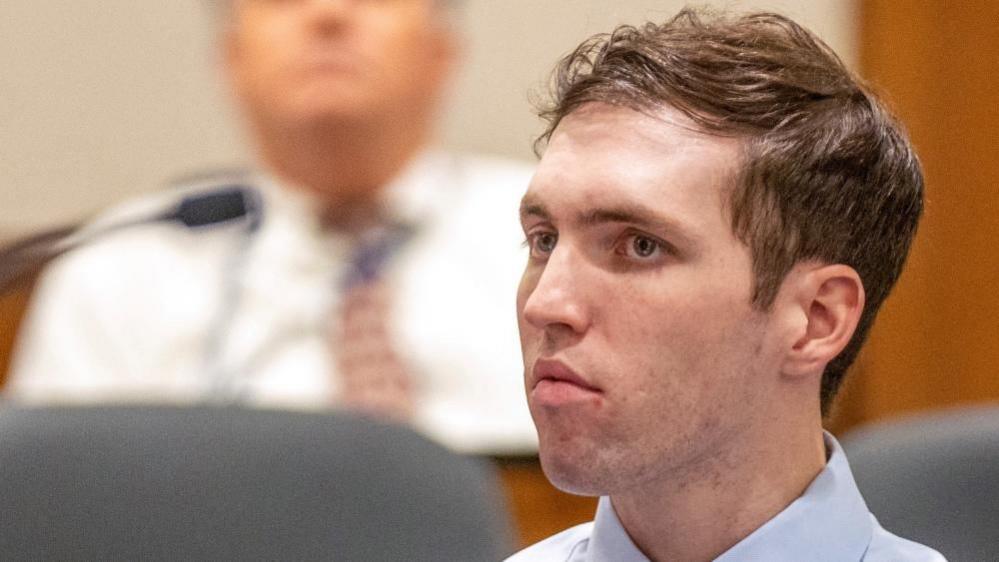
Kirk’s widow, Erika Kirk, and his parents attended the hearing, often breaking down during the presentation of the footage. She later issued a statement saying, “Nothing will ever undo the loss of our beloved Charlie.” Similarly, Robinson was seen in court clean‑shaven, in a light‑coloured suit, standing with his parents and siblings beside him.
The case underscores the reach of forensic science, digital records, and the power of modern courtroom strategy—bringing a high‑profile political tragedy into concrete fact.