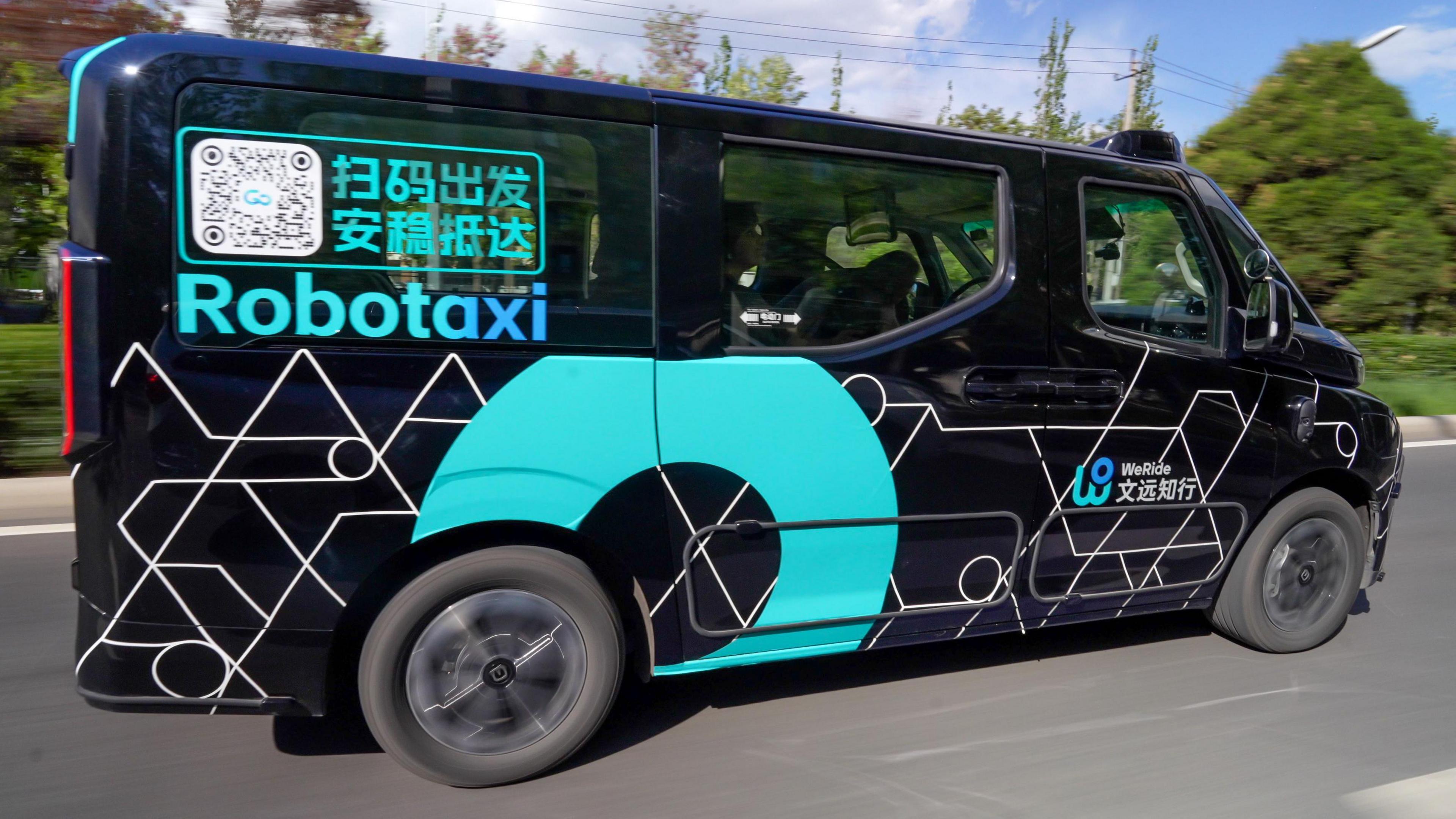
In the Yizhuang district of Beijing, driverless robots glide through traffic, a sight that is growing more common as Chinese firms deploy robotaxi fleets in city zones.
The same supply chain that made China the world’s largest market for electric cars – batteries, sensors, processors, and car bodies – also powers the robotics software that these vehicles use. Manufacturers such as BYD, Chery, Geely and SAIC provide chassis, while specialists like Baidu, WeRide and Pony.ai develop the navigation and automation systems.
One of the key advantages for Chinese operators is the sheer volume of real‑world data. Beijing’s roads demand that an autonomous vehicle respond to buses, scooters, cyclists, pedestrians and unpredictable stops; each ride feeds back information that firms use to sharpen decision‑making algorithms.
Against this backdrop China’s policymakers are encouraging pilot tests in several cities, seeing automation as a way to tackle labour shortages while shaping a high‑tech economy. Government support, combined with the domestic market’s appetite for new mobility options, is strengthening the business case for robotaxis.
Yet the path to global expansion is not smooth. The sector faces safety concerns – for example, a software failure in Baidu’s service left a dozen robotaxis stranded in Wuhan with locked doors, eroding public confidence. Regulatory approval may be tight in other countries, especially where mapping data or camera feeds raise national‑security issues.
Despite these hurdles, firms like WeRide are optimistic about increasing acceptance abroad. Zhang, the chief marketing officer, says governments increasingly welcome autonomous projects and see positive regulatory trends in markets such as the U.S. and Europe.
The ambition is clear: to replicate the electric‑vehicle boom in other sectors, turning robotaxis into a global capability that can coexist with ride‑hail platforms while delivering lower‑cost transport for the elderly and disabled. Whether technology, policy, and market dynamics align will decide how fast the industry can go beyond China’s borders.