In brief
On 6 August, a Porter Airlines flight bound for Toronto was forced to return to the terminal when a child refused to buckle up. The incident prompted a broader debate over how airlines should handle young passengers during emergencies, with experts stressing that unrestrained children can become projectiles. Some critics blame “gentle” parenting; others argue the child was frightened. The case echoes previous controversies, such as a 2018 Southwest Airlines ejection, and highlights the tension between safety and family-friendly policies.
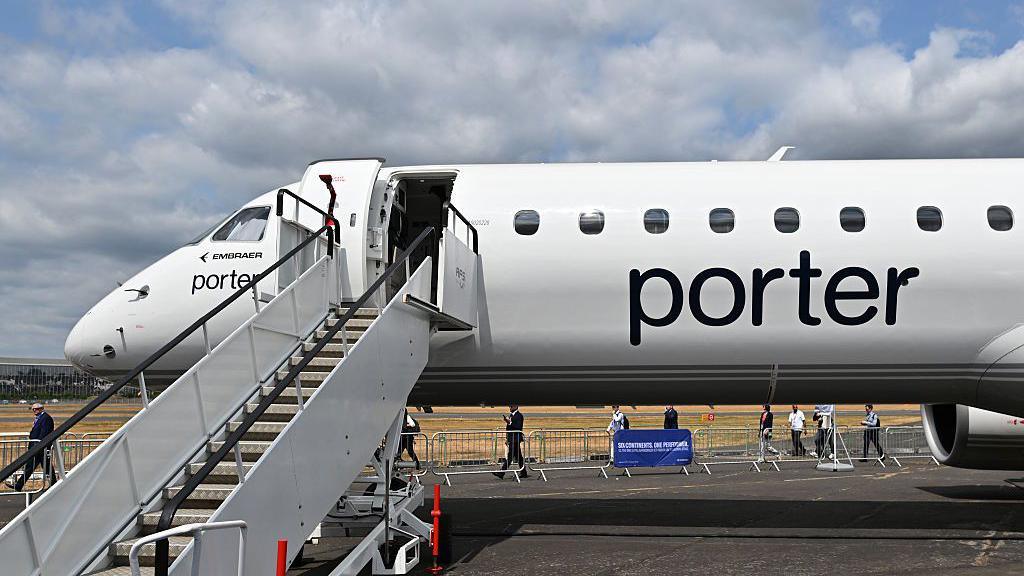
On 6 August, a Porter Airlines flight from Victoria to Toronto was forced to return to the terminal after a child refused to secure their seat belt.
The aircraft, already scheduled to depart after midnight, could not take off in what the crew described as an unsafe condition. The crew attempted to convince the accompanying parent and the child to comply, but the young passenger refused to buckle up. As a result, the two passengers were asked to disembark and were rebooked on a flight the following day.
Child aviation safety experts say that unrestrained passengers – especially children – can become dangerous projectiles during turbulence or when the plane stalls, comparable to unsecured luggage. Lia Tuso, a noted expert, told the BBC that the crew’s decision to hold the flight was a sensible move to keep everyone on board safe.
Public reactions have been split. Some commentators, including Fox News host Charles Hurt, criticized parents for being “gentle” and urged stricter enforcement of seat‑belt rules. Others point out that children can be afraid of flying and may not intentionally be disruptive. A passenger recounted that the child had simply hidden under their seat, struggling to stay strapped in.
The incident echoes historic airline confrontations: in 2018 a Southwest Airlines crew removed a father and daughter from a flight for refusing to comply with regulations, sparking accusations of a lack of humanity. JetBlue and Southwest have in the past justified ejecting customers for safety reasons, citing prolonged non‑compliance with crew instructions.
While airlines remain bound to enforce safety protocols, families and the public continue to debate the best approach to manage young passengers. The Porter Airlines case demonstrates how a single child’s refusal can ripple through logistical operations and spotlight prevailing debates on child passenger safety.