Canada Day: Celebrations shadowed by Alberta and Quebec separatist pushes
\Beneath the joy of flag‑waving and fireworks that mark Canada’s 159th birth on 1 July, two provinces of the federation are gearing for a decisive showdown over their place in the nation. In Edmonton, Albertans will vote on whether to keep their province in Canada or to trigger a binding referendum on secession. In Montreal, the Parti Québécois, now leading opinion polls for the provincial election, vows a third independence vote by 2030 if it wins.¹
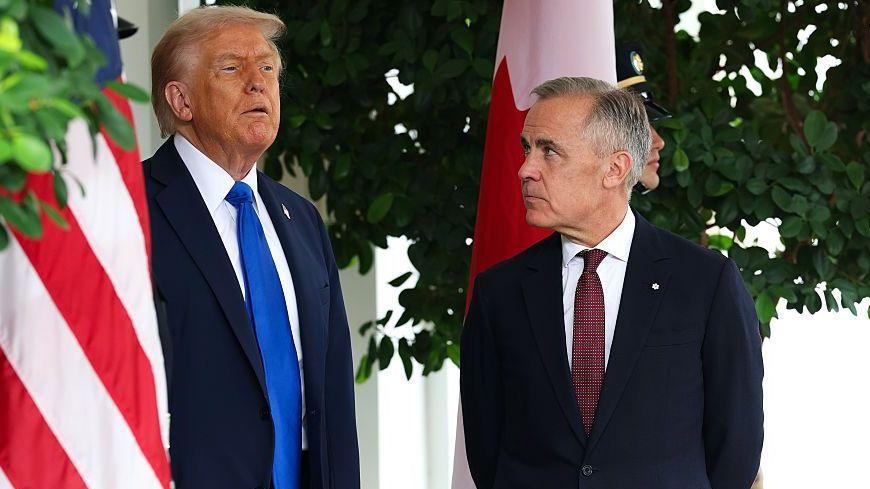
\On the day of the celebrations, Prime Minister Mark Carney—born in Alberta, shaped by the Bank of England’s Brexit experience—traveled to Edmonton to exhort citizens in front of a crowd that has organized a campaign for a “leave” stance in its referendum. The 25‑year‑old campaign is seen by some as a leap of right‑wing populism emboldened during the pandemic, and by others as a legitimate expression of Alberta’s long‑standing grievances over federal environmental policies that suppress pipeline construction and resource exploitation. Carney’s spokesman described the proponents as signalling a deep sense of being “overlooked” by Ottawa, a feeling he warns rekindles the same narratives that fueled secessionist rhetoric in the past.²
\In Quebec, the feed‑forward party has drafted a 500‑page blueprint for an independent society, balancing the promise of a third Referendum with a public stance that the province’s culture and language remain integral to any future national conversation. Current polls estimate that around 30 % of Quebecers favor independence, a figure that has remained tacked over the last decade.³
\Amid this volatile backdrop, Carney has taken concrete steps to soothe Alberta’s energy concerns. A new pipeline deal to bring oil barrels to the Pacific, a long‑awaited project, offers a tangible sign of reconnection between Ottawa and the oil heartland. Simultaneously, he announced a C$10 billion investment in Quebec’s hospitals, housing and public transit, signalling that the federal government is keen on nurturing social infrastructure in the province.⁴
\Historian J.D.M. Stewart warns that Canada’s vast geography and entrenched regional identities are its twin strengths and its biggest Achilles heel. The “compromise and pragmatism” that has historically kept Canada together now faces a new test: will the country’s economic and cultural diversity endure when separate political narratives grow louder?⁵
\A recent Angus Reid Institute poll shows that most Canadians remain confident that neither province will break away. Yet the conversation on national unity, fueled by these referenda decisions, will continue to occupy the hearts and minds of Canadians racing towards 2027 and beyond. Whether the federal government can navigate a balanced vision for a united Canada will be under scrutiny as the country celebrates, mourns, and builds simultaneously.
\