Malcolm Timbrell, a 70‑year‑old resident of Bédar in southeast Iberian Spanish province, survived a deadly blaze that scorched his village and claimed the lives of his wife and twelve friends.
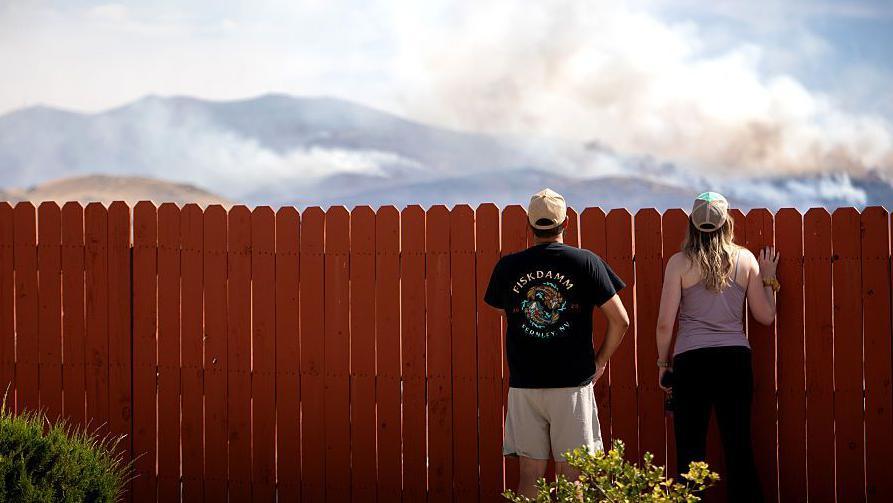
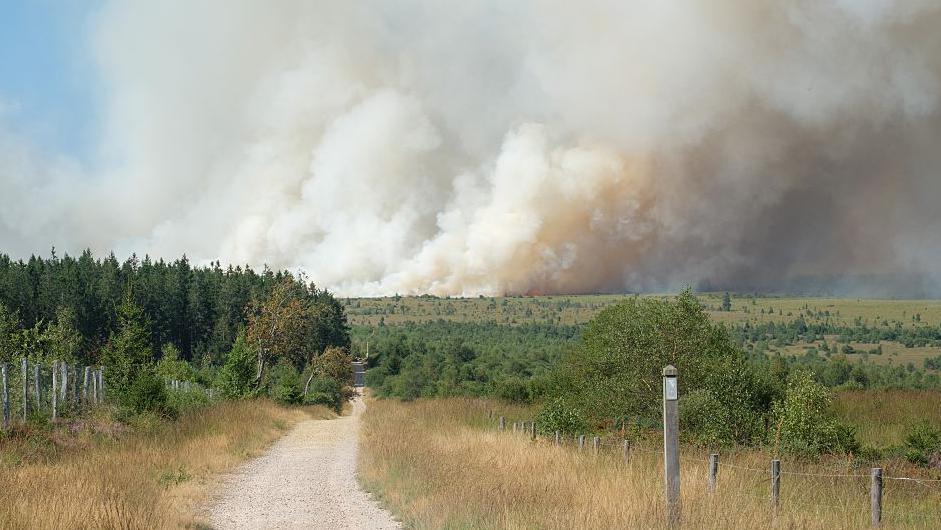
The wildfire erupted the evening of Thursday, July 10, ripping through the hillside town and leaving 13 people dead, many of whom were British expatriates.
At the height of the fire, the timbers and flames rushed toward the couple’s cottage. In a desperate bid to rescue the pets they kept at home, Malcolm drove back to the house, carrying their cats Charlie and Lilly. He later reported that the flames were moving at roughly twenty kilometres per hour, and that walking in front of the fire seemed the only option for the group.
While Malcolm stayed inside a compromised vehicle and fought to escape the smoke, his wife Annette and several neighbours were lost. The bodies were later discovered on a winding path a few metres from where the fire had taken the house, along with four burnt‑out cars marking grim evidence of the tragedy.
Local authorities noted that the rescue team faced intense smoke, making aerial operations almost impossible. Seaplanes and helicopters struggled to reach the area, and there was no rapid alert system to warn residents of the rapidly moving fire.
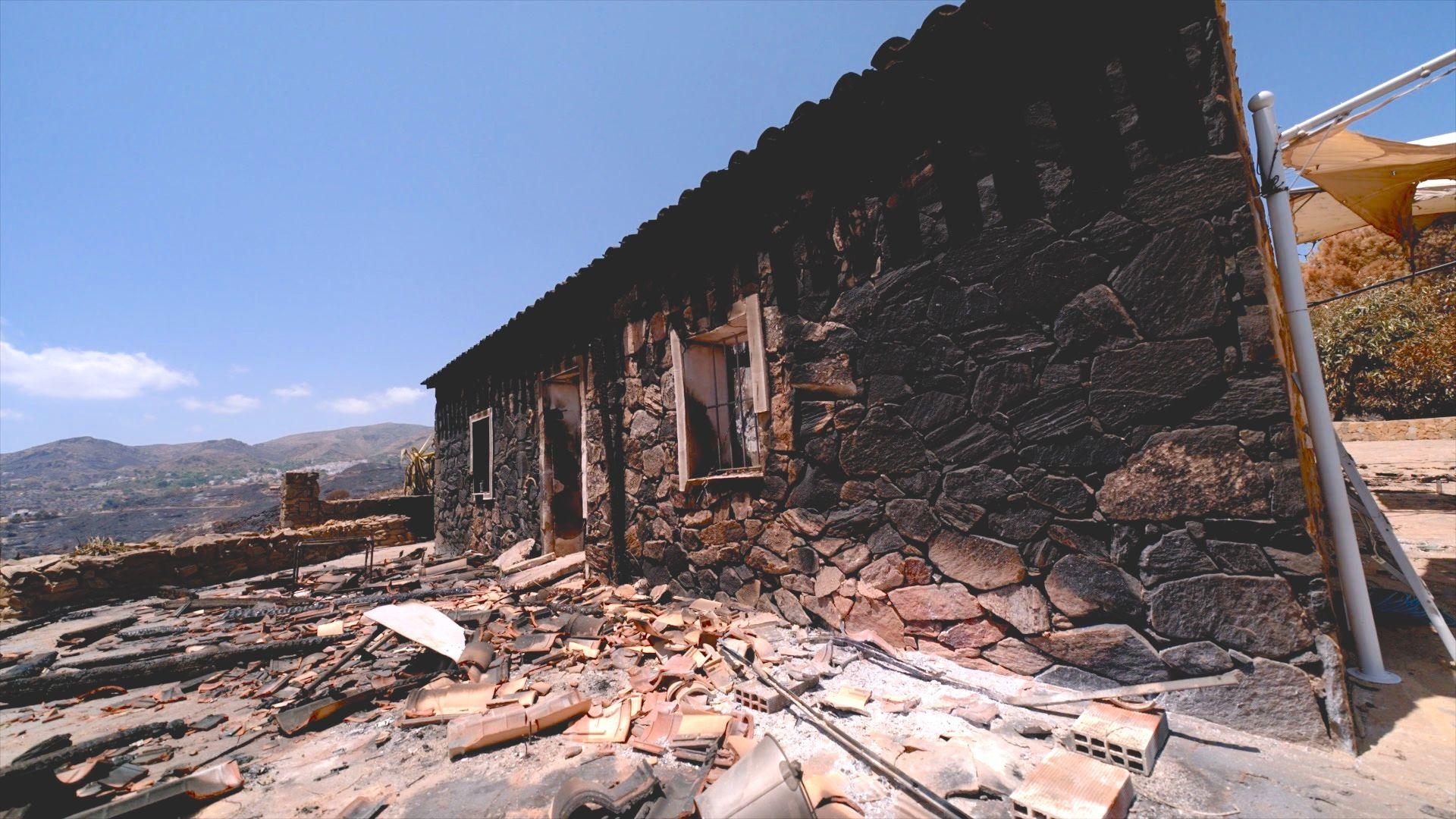
In a statement to the BBC outside the charred remains of the house, Malcolm reflected on the shock of surviving while everyone else perished. “You’d never imagine it could happen,” he said. “It’s a hopeless situation, not knowing what to do.”
Malcolm and Annette had arrived in Spain together after careers of sailing, hoping to spend their final years in a quiet Andalusian village. They had battled terminal illnesses separately before meeting, and their friendship was a cornerstone for the community of Bédar residents.
Following the rescue, investigators are still identifying victims, with several bodies recovered wearing right‑hand‑drive vehicles that suggest they were British. A 93‑year‑old woman died of injuries after being found clutching a cat, highlighting the tragedy’s cruel details.
In the aftermath, Malcolm’s community and local police have been offering support as he processes the enormity of his loss. He has requested that the conversation focus on “no blame” and the tentative hope of knowing the identities of the victims through DNA work.