Botswana’s Elephants Slaughtered for Independence Feast Sparks Outcry
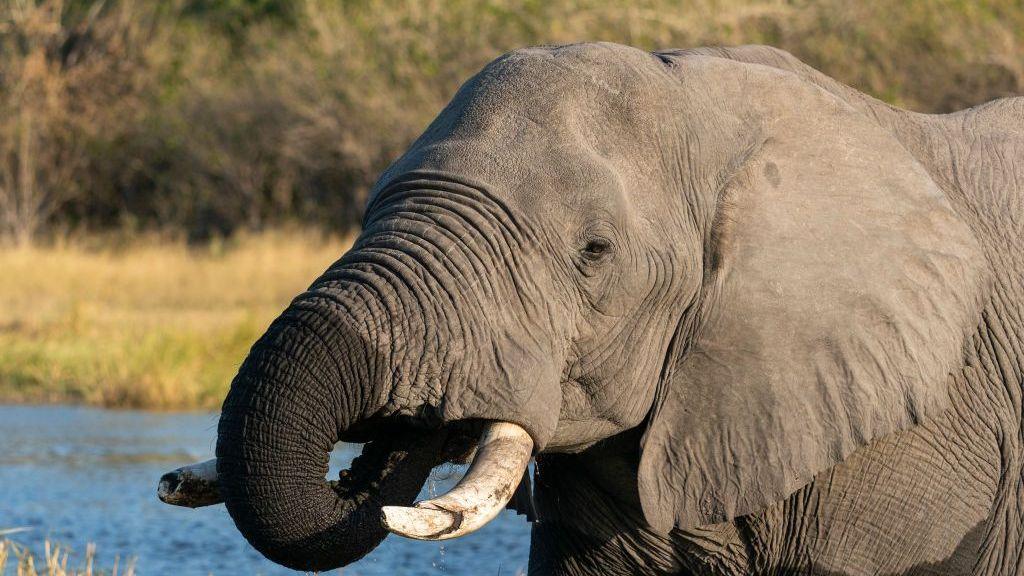
Animal‑rights activists have condemned Moses, a Southern African country, for authorising the killing of 23 elephants to supply meat for its Independence Day celebrations. The licence, issued by the Ministry of Environment and Tourism, permits hunting of elephants for so‑called "complimentary purposes" that will be served during the national commemorations.
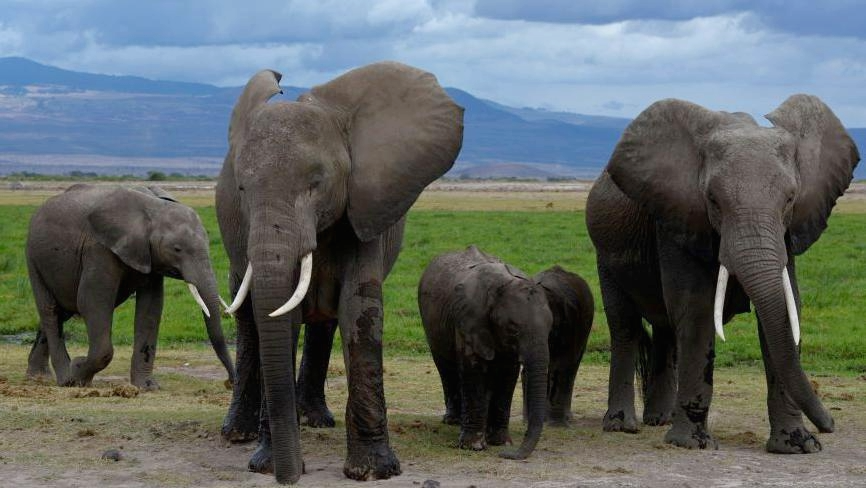
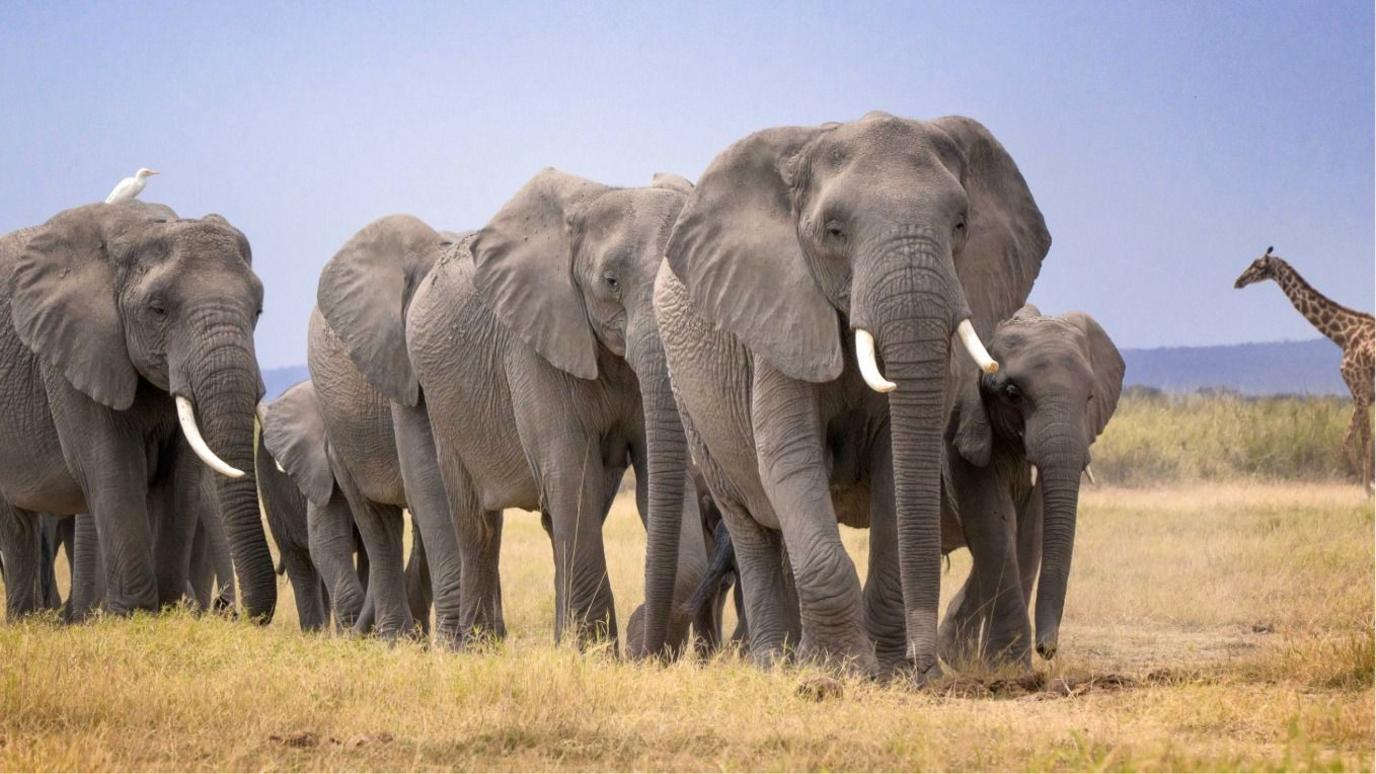
Botswana is home to the world’s largest elephant population – more than 130,000 individuals – and the decision to kill animals for a cultural feast has drawn sharp criticism from conservation groups. Chairman Oaitse Nawa warned that allowing state‑sanctioned slaughter could encourage illegal poaching by normalising the killing of elephants. He added that the practice threatens social cohesion within elephant herds, which are already pressured by repeated gunfire.
The move has also raised public‑health concerns. Several residents have expressed anxieties about eating game meat amid an outbreak of foot‑and‑mouth disease, a contagion that has prompted authorities to tighten containment measures. In one instance, a local elder in the north‑western tourist town of Maun publicly voiced that community members would have preferred buffalo meat, citing the cultural and ecological significance of elephants.
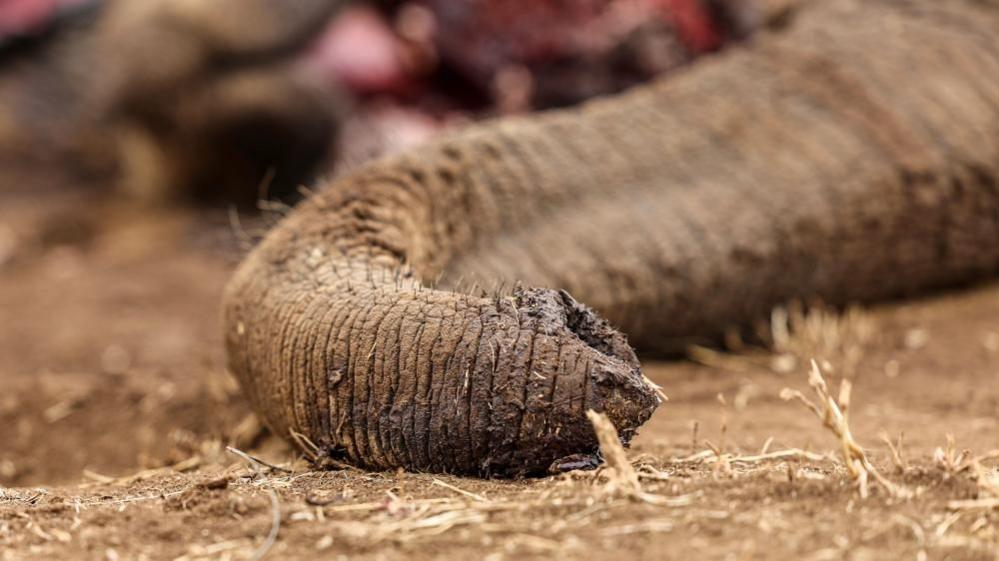
The government is organising a series of festivities to mark the country’s diamond jubilee, including a carnival in Gaborone, cultural performances, concerts and sporting events. The 23 elephants’ carcasses were distributed across eight districts during the early hours of the celebration, with images captured on social media showing people gathering in open spaces to collect the meat. In Chobe, a prominent MP urged better hygiene and equitable distribution, suggesting that portions be packaged in 5‑kg or 10‑kg units.
Khamba, the President, maintains that regulated hunting supports conservation efforts and provides income for local communities. In 2025, special quotas raised 15.6 million pula – about 1.1 million US dollars – earmarked for projects in elephant‑heavy areas. However, conservation organisations continue to question whether the current level of hunting is sustainable and whether it truly benefits wildlife protection or primarily serves political agendas.
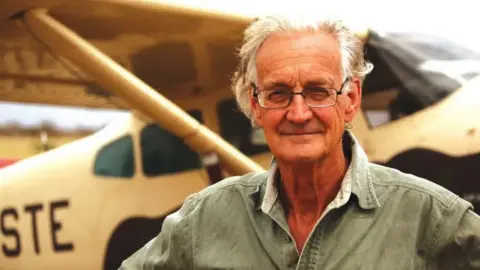
The policy shift, led by President Duma Boko since his 2024 election, follows the lifting of the trophy‑hunting ban introduced by former President Ian Khama in 2014. While the ban was praised by wildlife advocates, supporters of state hunting argue that the practice helps mitigate crop damage, protects infrastructure and balances the risks posed by elephants whose ranges increasingly overlap with rural settlements.
With this latest decision, Botswana’s debate over elephant management has once again come to the fore. Opponents urge a review of hunting licences and a re‑evaluation of how state support for wildlife is balanced against conservation ethics and community well‑being.