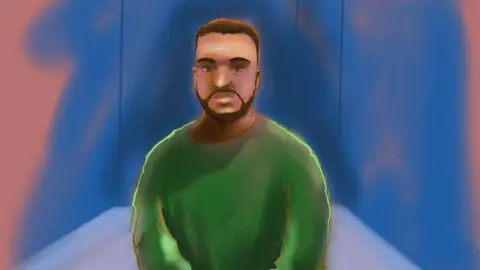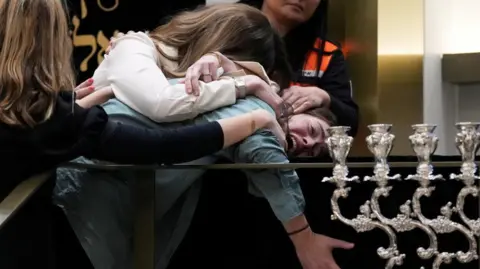
The man accused of killing 15 people in an attack on a Jewish festival at Sydney’s Bondi Beach in December now faces 19 additional charges, bringing his total to 78 offenses.
Naveed Akram was already charged with 59 offences, including 15 counts of murder, 40 counts of attempted murder and one count of executing a terror act.
Court documents show new charges filed in April, only confirmed by authorities now.
The fresh charges are 10 counts of “shoot at with intent to murder”, six counts of discharging a firearm with intent to resist arrest and three counts of causing wounding or grievous bodily harm with intent to murder.
Akram, 24, has made short court appearances but has not yet entered a plea. He is due back in court in August.
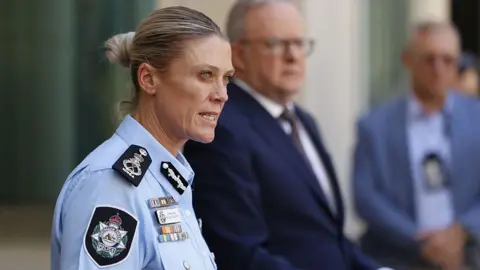
Prosecutors told the court that investigators from the Joint Counter Terrorism Team are steadily progressing through the evidence.
Evidence includes 230,000 CCTV images and content from devices linked to Akram and others, which prosecutors say need translating.
Akram’s lawyer Leonie Gittani said the extra charges were not a surprise to her client, noting “in a matter of this magnitude, it’s not unusual for additional charges to be laid.”
Related CCTV footage was described as unprecedented; the lawyer added there was “a lot to come.”
Akram’s father, Sajid Akram, 50, who also fired at the crowd, was killed by police on 14 December 2025.
The younger Akram was critically injured by police, later transferred from hospital to prison.
Court documents released in late December alleged that the two shooters meticulously planned the Bondi Beach attack for months and visited the site for reconnaissance two days prior.
One video, taken on a mobile phone in October, showed the men sitting in front of an Islamic State flag, making statements condemning “the acts of Zionists.”
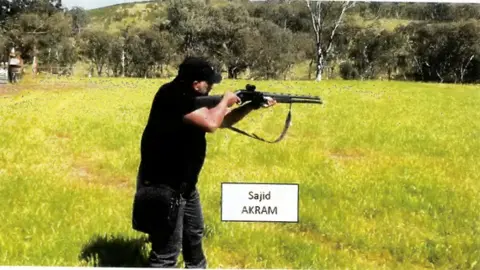
Separate footage from October depicted father and son conducting firearms training in a countryside location, believed to be in New South Wales, firing shotguns in a tactical manner.
In April, Akram lost a court bid to suppress the identity of his immediate family due to safety concerns.
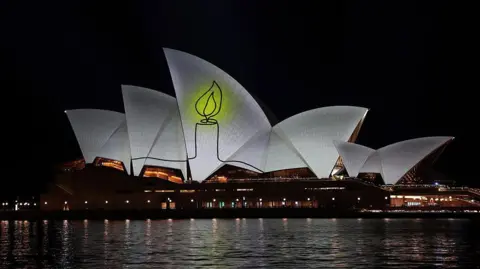
The attack was Australia’s worst mass shooting in almost three decades and triggered sweeping gun‑law reforms and a crackdown on hate speech.
It led to a royal commission into antisemitism in Australia, whose public hearings began in February 2026.