In brief
Trump's commitment to being a peacemaker faces scrutiny as conflicts persist despite his assertions of progress.
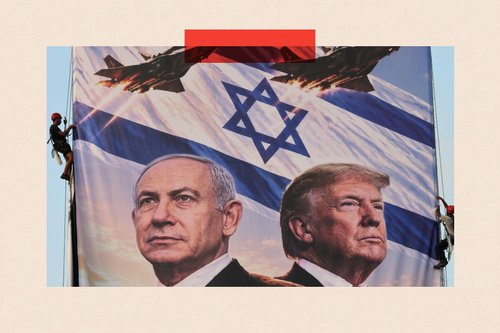
When Donald Trump was inaugurated for his second term in January, he proclaimed his intention to be a "peacemaker and unifier," a promise that resonated both domestically and internationally. Just over three months later, during his inaugural foreign visit to several affluent Arab nations, he asserted that the world had become "a much safer place," particularly concerning Ukraine, asserting that a peaceful resolution was on the horizon.However, an analysis of ongoing conflicts raises alarming questions about Trump's effectiveness in achieving global security. In one of the most pressing clashes— the war in Ukraine—Russia continues its aggressive operations, launching unprecedented numbers of drones and missiles against Ukraine since its invasion began in 2022. Despite Trump’s claims of being uniquely positioned to negotiate peace with Russian President Vladimir Putin, hostilities show little sign of diminishing.In the Middle East, Trump has publicly pushed for a ceasefire in Gaza, yet reports from the Red Cross Field Hospital signal a surge in weapon-related injuries, suggesting that the conflict remains as deadly as ever. The irony of Trump's self-proclaimed peacemaking skills clashes sharply with the escalating violence in these regions.Nevertheless, there are indications of progress elsewhere. Nuclear negotiations with Iran are underway, mediated by Oman, raising hopes for reduced tensions in the volatile region. Meanwhile, Trump's recent decision to ease sanctions on Syria may pave the way for potential stabilization, albeit in the midst of extreme poverty and conflict.David Harland of the Centre for Humanitarian Dialogue remarked on the paradox of the current global situation, noting an unprecedented number of wars alongside an increase in potential peace talks. Notably, Trump's ability to draw figures like Putin and Israeli Prime Minister Benjamin Netanyahu into negotiations highlights the weight of his influence, albeit seemingly limited to high-stakes interactions.However, many critics point out that while Trump initiates dialogues, the complexity of geopolitical issues often eludes his transactional approach. His historic predisposition to prioritize short-term agreements has occasionally undermined the long-term stability critical to lasting peace. Moreover, Trump's foreign policy maneuvers have destabilized established global norms, sparking concerns over his unilateral decisions that affect international alliances and trade. The repercussions of policies such as tariffs on allies and adversaries have incited retaliations, heightening the risk of a broader trade conflict.In addition to addressing conflicts in high-stakes regions, Trump’s administration has faced criticism for sidelining other humanitarian crises, exemplifying an "America First" doctrine that the critics argue overlooks critical global issues. His focus on securing deals is also met with skepticism; experts highlight the necessity for prolonged commitment beyond superficial negotiations to achieve meaningful resolution in volatile regions.As Trump's presidency evolves, questions loom over whether the administration's approach contributes to a safer world or exacerbates existing dangers. The complexities of global peace require sustained engagement rather than fleeting bargains, suggesting a need for re-evaluation of strategies moving forward.The BBC World Service Debate aims to delve deeper into these pressing discussions surrounding Trump's impact on international security, inviting perspectives on whether his administration's actions ultimately contribute to a safer world. The anticipated debate will air this Friday, providing an opportunity for viewers to engage with the challenging realities confronting global peace and stability.