In brief
Alberta voters decisively rejected a separatist referendum, opting to remain part of Canada as more than two‑thirds voted for unity. The decision followed Premier Danielle Smith’s call for a ballot after a petition demanding a binding survey on separation. Prime Minister Mark Carney praised the outcome as a victory for Canadian unity, while separatist leaders vowed to keep their movement alive. The province now faces how to address growing calls for greater control over fiscal policy and immigration. The debate over Alberta’s future continues in the wake of the narrow rejection of independence.
Alberta voters decisively rejected a proposal for a binding referendum on independence, opting to stay inside Canada with a 67% majority for unity, according to Elections Alberta.
The vote was triggered by Premier Danielle Smith in response to a petition that gathered over 300,000 signatures demanding a separatist poll. Smith, who opposed the breakup herself, said she would go “forward in the spirit of cooperative federalism” after the results announced by Prime Minister Mark Carney, who called it “a great result for Canada.”
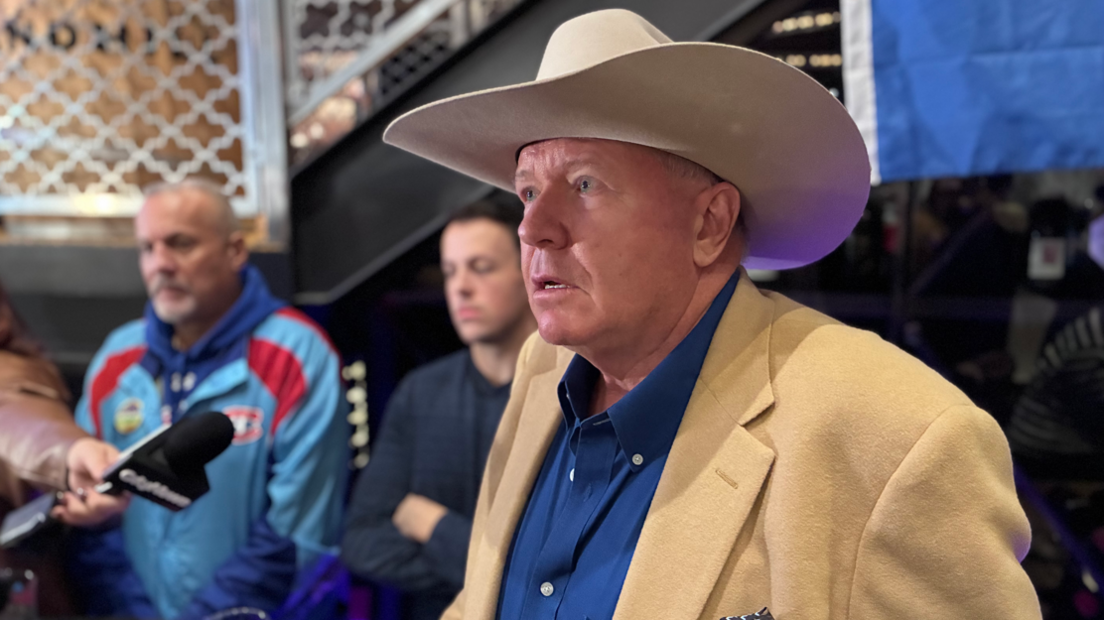
While the majority of voters chose to remain, separatist leaders such as Jeffrey Rath decried the outcome as a “first step” and vowed to keep pushing for independence. The debate now widens to other issues on the ballot, including increased provincial control over immigration and constitutional questions.
Despite the victory for unity, the movement for Alberta sovereignty remains active, with some separatist factions planning to press for a change in the United Conservative Party leadership and to revive push for a future referendum. The province must now navigate how to address fiscal autonomy demands and the broader question of its role within the Canadian federation.