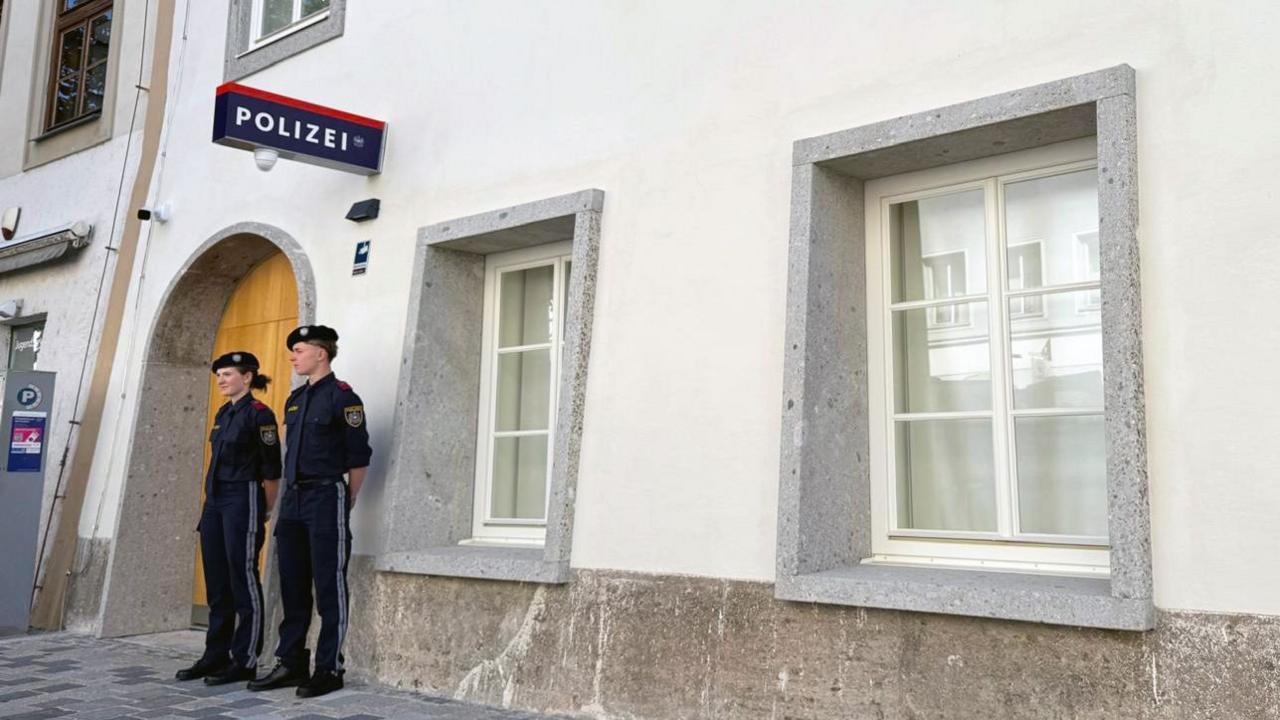
Police station opens at Hitler’s birthplace, a move to erase Nazi legacy
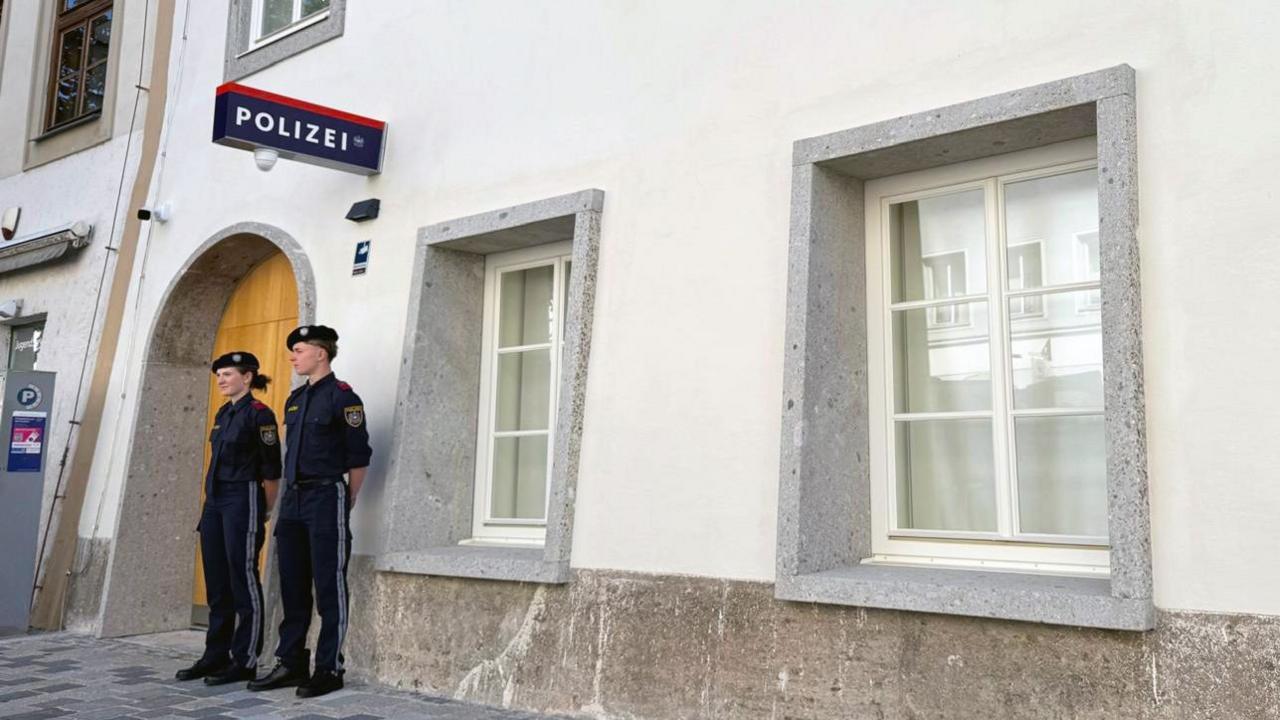
Austria has opened a police station inside the house where Adolf Hitler was born in Braunau am Inn. The 17th‑century former inn, long a subject of national debate, has now been refurbished and its façade altered.
The building, once a day centre for people with special needs, remained empty for years after the local charity Lebenshilfe left in 2011. A dispute over ownership with owner Gerlinde Pommer led the Interior Ministry to purchase the property in 2016 for €812,000, a sum she contested. After a court battle she lost and the house entered government hands.
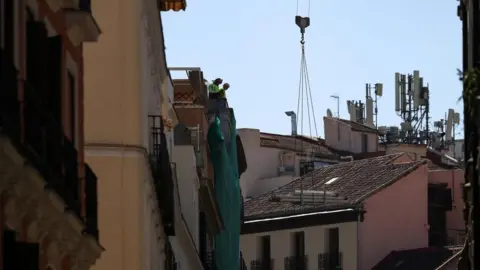
The ministry’s new plan, announced in 2019, was to turn the building into a police station. An EU competition drew architects, and the federal government poured millions of euros into restoration. The result is a white‑washed, oak‑lined interior and a preserved winding staircase.
The opening ceremony featured police musicians on brass instruments, interior minister Gerhard Karner, and local dignitaries. Karner said the building would become a symbol of democracy, rule of law, and human dignity. A Catholic police chaplain blessed two crosses that now hang in the new station.
Not everyone welcomes the decision. Some people hoped the house would become a centre dedicated to confronting the Nazi past, while local historian Florian Kotanko laments the loss of the Lebenshilfe charity. “Even this charity wanted to avoid being used as a political foreground; therefore the government needed a different solution,” he told the BBC.
Today, the former birthplace has no public sign on its walls, but outside stands a memorial stone inscribed with “Never again Fascism; In memory of millions of dead.” The stone originates from the former Mauthausen concentration camp. Despite this, authorities install security cameras to monitor potential neo‑Nazi pilgrimage activity.
The conversion of the house into a police station signals Austria’s commitment to open remembrance and active public safety, but it remains part of an ongoing struggle to reconcile the country’s cold, stark past with a hopeful future. The building’s new function may be a practical attempt to ensure the site is no longer a rallying point for extremist ideologies, while still reminding visitors of the historical context that surrounds it.