In brief
California has reported the first case of a new strain of mpox, formerly known as monkeypox. This case, part of the Clade I strain, is affiliated with the ongoing outbreak in Africa. Health officials monitor the situation closely as the individual recovers at home.
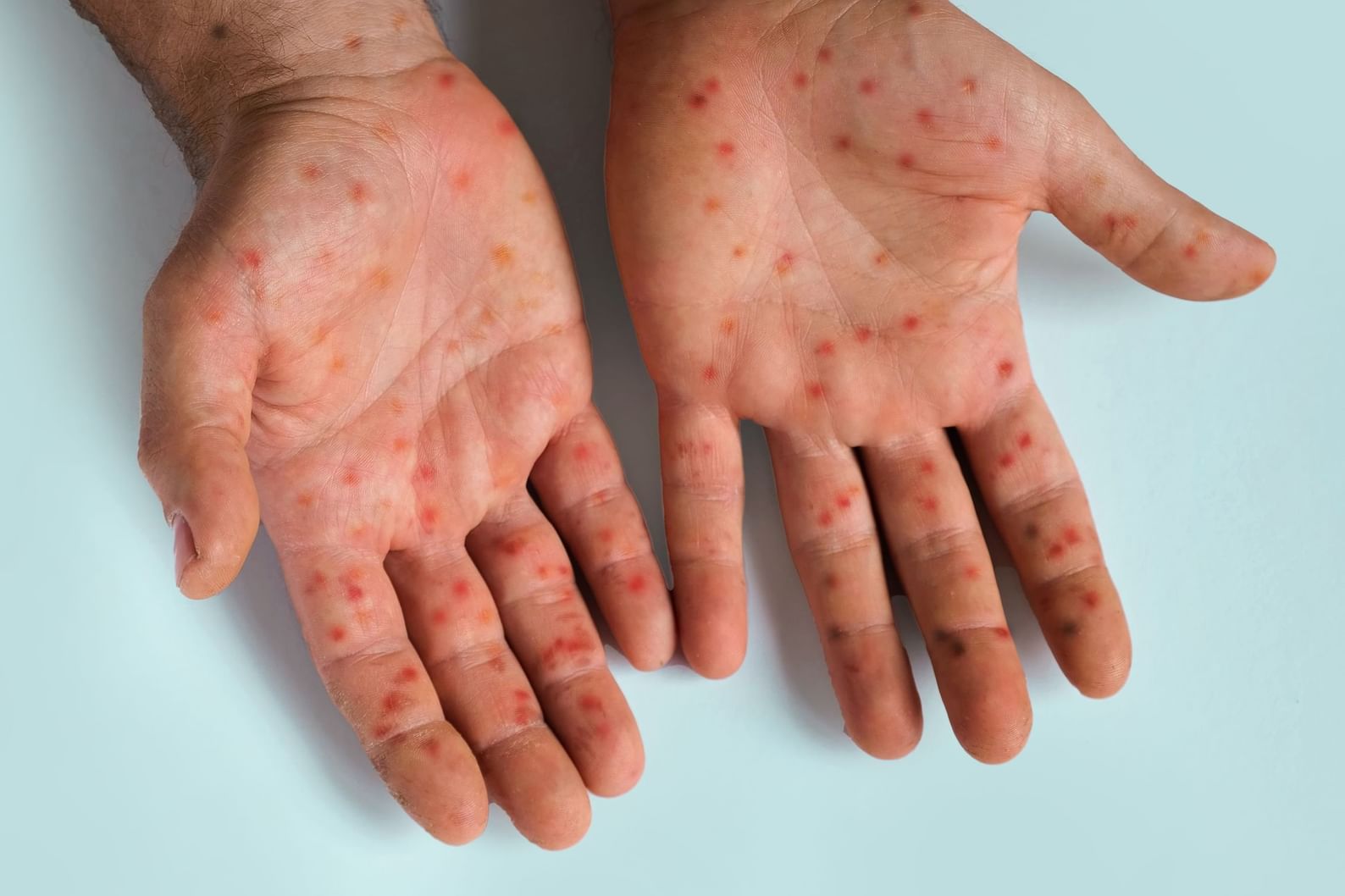
California has identified its first case of mpox, previously known as monkeypox, from an emerging Clade I strain, marking a significant health alert in the United States. The case was confirmed by the California Department of Public Health (CDPH) through laboratory testing. The individual, currently self-isolating, had recently traveled to Africa and their case is said to be connected to an ongoing outbreak of Clade I mpox found in Central and Eastern Africa. Earlier this year, the World Health Organization declared mpox a global health emergency. The CDPH has noted that historically, Clade I cases have been more severe in terms of clinical symptoms than Clade II, which has circulated in the US since 2022. However, recent reports indicate that the severity of Clade I infections might have changed and may not present the same level of risk as seen in previous outbreaks.Mpox is caused by a virus belonging to the same family as smallpox and, while once primarily transmitted from animals to humans, it now also spreads between humans. Initial symptoms of mpox infection include fever, headaches, and muscle aches, leading to a subsequent rash that can be intensely itchy or painful. Although the infection generally resolves on its own within 14 to 21 days, it has resulted in fatalities, particularly among vulnerable populations such as young children.Historically, mpox has been prevalent in remote areas of tropical rainforests throughout West and Central Africa, particularly in the Democratic Republic of the Congo, where mortality rates were high during an initial outbreak this year. As the disease continues to propagate into Central and Eastern Africa, public health measures including vaccination—typically accessible only to those at risk—are crucial in controlling future outbreaks.