In brief
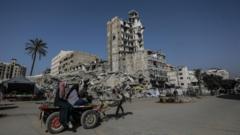
The Israeli government has issued urgent evacuation orders for residents in Gaza City, warning of imminent military strikes. Amid ongoing hostilities, large parts of the city, already devastated by bombardments, have been deemed unsafe. Key locations such as Al-Shifa Hospital and the Islamic University are among those targeted, with Israeli officials alleging their use by Hamas for military operations. However, local authorities counter that civilian populations searching for refuge are now at heightened risk. As the conflict endures, former Israeli Prime Minister Ehud Olmert voices concern regarding the war's toll on Israel's moral standing and advocates for a humanitarian response. Amidst the backdrop of food insecurity, stalled ceasefire discussions, and rising casualties, opinions are increasing in favor of negotiation over continued military action.
Israel's push for civilian evacuations in Gaza City signals a major crackdown as humanitarian crises deepen. Locals express fears as areas meant for refuge become targets amidst rising military actions. Israel has issued a sweeping evacuation order for Gaza City, a significant escalation in its ongoing military campaign. With much of the city already reeling from extensive damage due to continuous bombardments, the Israeli Defense Forces (IDF) have designated large portions as unsafe and advised residents to leave in anticipation of “intense strikes.” Among the prominent sites mentioned by Israeli authorities are Al-Shifa Hospital and the Islamic University, which they allege are being used by Hamas for military strategies. However, local officials argue that these facilities are sheltering countless civilians, and evacuating them is a substantial challenge that raises the potential for mass casualties.Former Israeli Prime Minister Ehud Olmert has emerged as a notable critic of the current military escalation, suggesting that the majority of Israelis and many military leaders are wary of further expanding the conflict. Olmert's recent remarks emphasize the unacceptable humanitarian costs, calling for immediate efforts to address the dire conditions in Gaza. He has condemned the ongoing blockade that has contributed to severe food shortages, with aid agencies warning about a looming famine among Gaza's population of 2.1 million.In response to the spiraling humanitarian crisis, which has seen Israeli bombings since March lead to thousands of casualties, some reports indicate that a potential ceasefire could be brokered with the help of the U.S. Nonetheless, Israeli Prime Minister Benjamin Netanyahu remains firm in pursuing military operations, even amidst growing public demand for hostage negotiations with Hamas.As the conflict escalates, a letter signed by 67 former hostages urges Netanyahu to prioritize a deal for the return of all captives, reflecting a significant portion of public opinion that favors halting military actions for the hostages' sake. While some polls show a majority of Israelis suggest obtaining hostages may warrant a ceasefire, the government's stance remains unyielding. The backdrop to these developments is a tragic toll of over 52,000 lives lost in Gaza since hostilities reignited following the October 7 attacks, igniting widespread international concerns regarding the humanitarian implications of ongoing military strategies.