
In brief
The visit symbolizes a firm commitment to sovereignty and climate science in Antarctica.
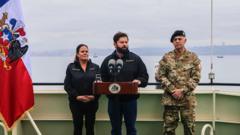
Chilean President Gabriel Boric has made history by visiting the South Pole, becoming the first leader from the Americas to do so, after arriving at the Amundsen-Scott South Pole Station. This landmark trip emphasizes Chile's claims to sovereignty over parts of Antarctica, with Boric stating, "This is a milestone for us," in a broadcast on Chilean television. During his visit, which took place aboard the icebreaker ship Almirante Vial on its inaugural Antarctic mission, Boric was accompanied by a delegation of scientists and several cabinet ministers, including those responsible for the armed forces and the environment. The president highlighted Chile's strategic intention to be a key player in Antarctic scientific endeavors, particularly those focused on climate change. His administration has rallied research centers, universities, and diplomatic teams to advocate for Chile as the primary gateway to Antarctica. Elected in 2021 at the age of 35, Boric has positioned himself as a transformative leader for Chile. Prior to his visit, only two other world leaders—New Zealand and Norway's prime ministers—had traveled to the South Pole. Various nations, including the UK, France, and Argentina, also assert claims to portions of Antarctica, a unique territory designated solely for scientific exploration through the Antarctic Treaty established in 1961. The station he visited, named for explorers Roald Amundsen and Robert Scott, commemorates their historical contributions to Antarctic exploration, and their legacy lives on as countries work collaboratively on this ungoverned continent.
