
In brief
As Vietnam prepares for potential tariffs from the U.S., its leader’s unique strategy may leverage personal relations to mitigate economic pressures.
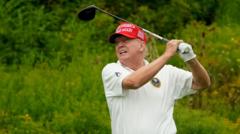
Countries worldwide are preparing for President Donald Trump's upcoming deadline to impose reciprocal tariffs, sparked by his recent 25% import taxes on foreign car manufacturers. Vietnam, having benefited from companies relocating to avoid tariffs on China, finds itself facing vulnerability due to its significant trade deficit with the United States.In a unique diplomatic twist, Prime Minister Pham Minh Chinh expressed his willingness to golf with Trump as a way to foster better relations, stating he would be open to "golf all day long" to benefit Vietnam—a comment that drew laughter during a meeting.Despite not being directly targeted by tariffs yet, Vietnam already holds the third largest trade deficit with the U.S., following China and Mexico. Analysts observe that while Vietnam is actively trying to strengthen ties with Washington, these attempts may fall short of curbing Trump’s tariff plans.Experts draw parallels to the past strategies of former Japanese Prime Minister Shinzo Abe, who cultivated a close relationship with Trump over shared golfing interests. However, analysts caution that while personal relationships matter to Trump, his tough stance on trade may ultimately prevail.Vietnam’s government has stated it will not impose trade restrictions on the U.S., even as it taxes specific imports. Recently, authorities allowed SpaceX's Starlink internet service to operate on a trial basis in Vietnam, a move seen as a strategic effort to placate U.S. interests. Moreover, lowering tariffs on U.S. imports like energy and automobiles demonstrates Vietnam's desire to improve its trade balance ahead of potential tariffs.Economic analysts argue that Vietnam is cautiously navigating the geopolitical landscape, avoiding actions that might signal non-cooperation with U.S. trade demands. This approach aligns with its "bamboo diplomacy," which emphasizes adaptability in response to external pressures.Nevertheless, China's influence looms heavily over Vietnam’s trade dynamics. As a key player in the U.S.-China tensions, many companies have shifted manufacturing operations to Vietnam in favor of reduced tariffs, further integrating the two nations' economies. China remains Vietnam's primary supplier, contributing significantly to its imports.Former U.S. trade negotiators and economists foresee that increased tariffs could impact American businesses in Vietnam, including major tech firms and sports brands. The American Chamber of Commerce in Vietnam reports that many U.S. manufacturers would consider downsizing if tariffs are enacted.As the clock ticks down to the enforcement of new tariffs, Vietnam's prime minister remains optimistic about managing the U.S. relationship. With recent tariff reductions on American goods, Vietnam aims to enhance the attractiveness of U.S. products to local consumers.The approach of utilizing golf as a diplomatic tool reflects historical precedents but remains a gamble in the face of significant economic challenges. The effectiveness of this strategy will be tested as the new tariffs take effect next week, determining whether Vietnam can withstand the pressures of Trump's trade policies amid rising tensions.
