
In brief
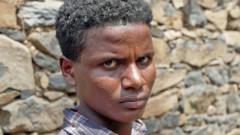
Berhane Haile's life changed forever after stepping on unexploded ordnance while walking home from school in Tigray, Ethiopia. The explosion led to the amputation of his left leg and injuries to his hands. As Tigray continues to grapple with the dangers of remnants from a brutal civil war, Berhane's story sheds light on the challenges faced by many, including his aspiration to further his education and become a civil servant.
In early 2023, while walking home from school in the mountainous Tigray region of northern Ethiopia, Berhane Haile experienced a life-altering incident. Just 16 years old, he stepped on a piece of unexploded ordnance, resulting in a catastrophic explosion that left his left leg severely damaged, prompting an emergency amputation. "The explosion threw me away backwards. There was blood everywhere," he recounted the harrowing moment that changed his life forever.The teenager’s journey from the site of the explosion to the nearest hospital in Adwa was a painful ordeal; he was carried by his father and other villagers for two long hours over rugged terrain. They were desperate to save him, but the injury was grave, and parts of his hands were also lost in the blast. Berhane’s farming village of Seyabo, like many others in Tigray, was littered with unexploded munitions left behind after a brutal two-year civil war that ended in November 2022. More than just a conflict, this war saw millions displaced and devastated countless lives, with the death toll estimated by the African Union to be as high as half a million. While a peace deal was signed over two years ago, remnants of the conflict continue to claim lives, particularly among children.Since the war, the Red Cross reports that about 400 victims of unexploded ordnance incidents have been treated, with a significant number being children. Berhane’s story is one of many, as the ongoing threat of hidden explosives casts a dark shadow over the community. In the aftermath of his injury, Berhane has received support in the form of a prosthetic leg and a crutch, which has given him the ability to walk again. However, while basic services such as electricity and internet have resumed, life for him and his family is still far from normal. He now navigates the challenges of attending school, which has become more difficult due to the changes in his physical capabilities and the loss of his farming future. Determined to continue his education, Berhane, now 17, has moved to Adwa to live with his sister, where he can access better educational facilities. Despite the pain of losing his leg and the emotional trauma from the war—having lost his brother and seen family members injured—he finds the strength to strive for a better future. He has expressed a desire to become a civil servant, hoping to uplift his family and community, showcasing the resilience that so many in Tigray embody as they navigate the complex realities of post-war life.


