
In brief
El Geneina, a town in West Darfur, Sudan, remains a haunting reminder of the violence and ethnic cleansing it has faced over recent months. UN relief chief Tom Fletcher’s visit sheds light on the plight of displaced residents grappling with hunger and trauma.
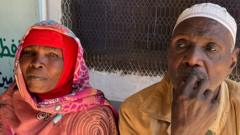
The outskirts of El Geneina have become silent witnesses to unimaginable horror, deserted and crumbling as a result of ongoing conflict. Once-bustling homes and shops now lie charred and full of bullet holes, remnants of the violence erupting in Sudan's brutal war that has raged for over 19 months. A recent visit by Tom Fletcher, the UN’s new relief chief, provided a rare glimpse into this turmoil, marking the first time a senior UN official has ventured into this region since the onset of the conflict.“Darfur has seen the worst of the worst,” Fletcher stated during his visit, highlighting an alarming rise in sexual violence and the looming threat of famine. His trip came after delicate negotiations with Sudan’s rival forces – the army led by General Abdel Fattah al-Burhan and the paramilitary Rapid Support Forces (RSF) commanded by General Mohamed Hamdan Dagalo, known as Hemedti. The RSF's dominance in much of Darfur, often referred to by UN officials as "those in control of the area," is under scrutiny, particularly following catastrophic acts of violence perpetrated against non-Arab communities.In the past year alone, El Geneina has witnessed two massacres resulting in the deaths of potentially up to 15,000 people, categorizing these events as some of the most atrocious acts amidst an already overwhelming humanitarian crisis. Residents fled to the Chiradian border, recounting tales of death and destruction, including appalling losses of family members, often left helpless in a chaotic escape.Interviews with survivors revealed the chilling strategies employed to evade violence, with families forced to journey by night while hiding during the day. “If you move during the day, they will kill you,” recalled a young girl who escaped with her mother but lost her father in the tumult. The loss of agriculture due to the war compounded their struggle, leading to acute hunger.During Fletcher’s visit to a health center within a displacement camp, the somber reality of the situation unfolded, with individuals – some physically weakened from malnutrition – detailing their pressing needs, including food, clean water, and medical care. Many voiced the common sentiment that despite various groups initially supporting the warring factions, their current status as displaced individuals places them in urgent need of assistance.As the discussion turned to the challenges faced by NGOs working on the ground without sufficient support, the overarching feeling of neglect was palpable. Tariq Riebl, head of the Sudan operations for the Norwegian Refugee Council, expressed concern over the world's focus being diverted to other crises, fearing Sudan's plight may remain underreported.Though Fletcher’s delegation faced obstacles, he emphasized the necessity of increased aid and attention toward Sudan, aiming to bridge the gap created by the ongoing conflict. With nations involved offering varying degrees of support to the warring factions, lasting peace appears distant, yet Fletcher’s resolve to confront indifference highlights a potential pathway toward restoring hope in one of the world's most desperate regions. As his visit concludes, many in El Geneina and the humanitarian sector will keenly anticipate any steps taken toward alleviating the immense hardships faced by those caught in the crossfire.



