
In brief
Manufacturers in China, particularly in sectors reliant on exports, are preparing for the repercussions of Trump's renewed trade policies. With major American brands beginning to shift their production away from China, workers and business owners alike are filled with uncertainty about their futures.
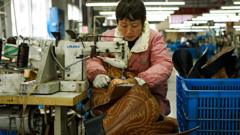
Inside a bustling boot factory in Jiangsu, China, the sounds of machinery resonate as workers craft cowboy boots, yet the atmosphere is tinged with concern. Sales manager Mr. Peng shares the factory's struggles; the once-thriving business sold up to a million pairs annually but has since been devastated by the tariffs imposed during Trump's presidency, which caused a significant decline in orders.As Trump returns to politics with pledges of strict tariffs on Chinese imports, businesses are now contemplating their next moves, grappling with the impact of a proposed 10% duty that could take effect as early as February. This new wave of tariffs is not only concerning Chinese manufacturers but is also reshaping global supply chains, with major companies like Nike and Adidas opting to relocate production to countries like Vietnam.In this charged atmosphere, workers remain focused on their daily tasks, but the fear of losing their jobs looms large. Many have been employed for over 20 years, forming a tight-knit community under the factory roof. As demand for produce wanes, the staff count has dropped drastically, leaving empty workstations as stark reminders of recent losses.The geopolitical complexities involved mean that the U.S.-China trade relationship is fraught with tension. Trump has been vocal about his grievances regarding China's trade practices, and as both sides prepare for potential negotiations, the prospect of a new, heightened trade battle is palpable.As if to underscore these realities, the fallout from previous tariffs has been felt profoundly among Chinese firms. Business sentiment surveys reflect a worrying trend of unease regarding the future of U.S.-China relations, with over half of companies expressing concern about a deterioration in ties.Meanwhile, some Chinese manufacturers, like businessman Huang Zhaodong, have preemptively relocated their operations to Cambodia, heavily catering to demands from major American retailers. Huang notes that Chinese firms are increasingly being informed by U.S. clients that continuing business hinges on their willingness to operate outside of China to circumvent tariffs.Despite these adjustments, the costs linked with tariffs remain an ever-looming threat. Huang shares real-life implications; an increase in 10% on an order could severely affect profit margins, making business operations in China continuously precarious.As the march of Chinese investment spreads through Southeast Asia, the landscape of production is changing. Nearly all garment factories in Cambodia are now Chinese-run or owned, evidencing the shift of labor and production capabilities. Chinese state media report that over half of China’s exports now come from Belt and Road Initiative countries, illustrating the growing economic ties China is forging worldwide.While Chinese manufacturers look to navigate around tariffs and potential trade hurdles, there's a consensus that some level of diplomacy could stabilize relations. If leaders from the U.S. and China can engage in "amicable discussions," as Mr. Peng hopes, there might be a path toward minimizing impacts of tariffs and fostering trade. In the meantime, businesses are left adapting to costs, relocation, and the ever-present uncertainty that Trump's policies may bring.
