In brief
A fire that destroyed an Air Busan plane in January appears to have been sparked by a malfunctioning power bank found in the luggage compartment, according to interim findings from South Korean authorities.
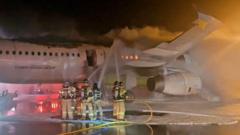
Preliminary investigations into the catastrophic fire that engulfed an Air Busan aircraft on January 28 at Gimhae International Airport suggest that a malfunctioning portable power bank may have been to blame. The incident resulted in minor injuries to three passengers, prompting safety checks and stricter regulations for air travel.On Friday, the South Korean transport ministry revealed that the insulation within the power bank battery likely broke down, leading to the fire that was first detected in the overhead luggage compartment. Investigators discovered debris from the power bank, which bore scorch marks, but could not confirm the exact cause of the battery breakdown.Although these findings are based solely on preliminary data, they highlight ongoing safety issues associated with lithium-ion batteries, which have been known to cause intense heat and potential fires under certain conditions. Due to these risks, airlines worldwide have long prohibited power banks from being stored in checked luggage.In response to the fire and a rise in overheating incidents, Air Busan has implemented a stricter policy that prohibits passengers from carrying power banks in their onboard luggage. Similar moves are being made by airlines across the region, including China Airlines and Thai Airways. Singapore Airlines is set to enforce a ban on the use and charging of power banks starting April 1.The South Korean government has also mandated that passengers carry portable batteries and chargers with them rather than placing them in overhead compartments, enhancing safety protocols for travelers. As investigations continue, the aviation industry is closely monitoring the situation, underscoring the need for ongoing vigilance regarding battery safety in air travel.