In brief
New findings suggest that Shell ignored numerous warnings about the poor execution of a billion-dollar clean-up initiative in Ogoniland, leaving local communities devastated by prolonged oil pollution. As the saga unfolds, impending legal battles loom, signaling a potential reckoning for Shell.
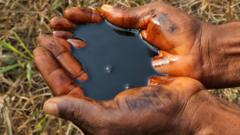
The allegation of a “scam” surrounding the clean-up project stems from a BBC investigation that unveiled how the oil giant, along with the Nigerian government, has allegedly overlooked significant issues downplaying the environmental and health impacts of oil spills in southern Nigeria. Despite ostensibly positive claims regarding the clean-up operations initiated nearly a decade ago, evidence indicates that Shell and the Nigerian authorities were repeatedly warned about the corruption and the ineffectiveness of the scheme to address the oil pollution crisis plaguing Ogoniland.Internal whistleblower accounts describe the project as a “con” meant to deceive the local populace. Under the Hydrocarbon Pollution Remediation Project (Hyprep), set up by the Nigerian government with partial funding from oil companies, issues of inflated costs and falsified laboratory results have allegedly surfaced. Internal documents reviewed by the BBC report that some contracts were dished out to firms devoid of necessary expertise and that external auditing was hindered.The consequences have been dire. Local residents such as Grace Audi, living in heavily polluted areas, struggle to find clean water and bear the brunt of health repercussions stemming from contaminated resources. In Bodo, another community affected, the memory of previous fishing successes has been devastated by oil spills, leaving families to cope with hunger and ill health.Shell, the largest oil producer in Nigeria, maintains that it addresses spills from its operations, which they attribute mainly to sabotage, theft, and illegal refining. Nevertheless, communities are pushing back against these narratives as they engage in a civil trial seeking accountability for the environmental degradation sustained from 1989 to 2020.The UN has previously reported alarming levels of contamination in Ogoniland, indicating that it could take up to three decades to properly remediate the widespread devastation caused by Shell's presence over the past six decades. However, despite the overwhelming evidence of ongoing contamination, Shell intends to defend its claims against the lawsuits, which underscores the multiplicity of issues surrounding the oil clean-up initiative. Ultimately, residents express frustrations and fears that even the pending sale of Shell’s Nigerian subsidiary may not alleviate the longstanding grievances related to their environment and livelihoods.As the BBC continues to investigate the allegations, local residents brace for what may unfold in court, seeking redress for decades of oil-induced suffering.