In brief
The Pyongyang International Marathon, last held in 2019, welcomed international participants for the first time since the pandemic, showcasing North Korean landmarks and offering a unique cultural exchange for those brave enough to enter the isolated nation.
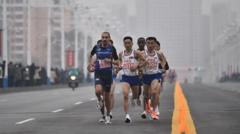
North Korea has successfully hosted the Pyongyang International Marathon for the first time since the onset of the Covid-19 pandemic, allowing approximately 200 foreign athletes to participate in this prestigious event in the capital city. Initially launched in 1981, the marathon has typically taken place every April to honor the birth of the country's founding leader, Kim Il Sung.The marathon had not occurred since its last edition in 2019, where nearly 950 foreign runners competed before North Korea closed its borders. Since early last year, the country gradually reopened but restricted tourism largely to Russian visitors.To take part in this year's marathon, participants were required to join organized tour groups, as pre-pandemic regulations dictated. Koryo Tours, a travel agency based in Beijing, provided exclusive six-day packages priced at about 2,195 euros ($2,406), which included flights from Beijing. The agency touted the Pyongyang Marathon as a rare opportunity to engage with local residents, enhancing the unique experience offered by the event.The marathon route showcased several of the city’s significant landmarks, including the prominent Kim Il Sung Stadium, the Arch of Triumph celebrating Kim Il Sung's historical role, and the Mirae Future Scientists' Street, a district symbolizing North Korea's scientific aspirations. The atmosphere around the stadium was lively, with many spectators waving gold-colored flags to support the runners.North Korean participant Pak Kum Dong expressed the motivation derived from the crowd, stating, "The eyes of our people on me helped me to bear the difficulties whenever I feel tired." However, details about the race results have not been made public.Following the easing of Covid-19 restrictions in mid-2023, North Korea had only started allowing limited entries for Western tourists, exemplifying its cautious approach to reopening the isolated nation to the outside world.