In brief
The Syrian government has issued a decree mandating that women wear burkinis, or other modest swimwear, in public beaches and pools. Private venues are exempt from this directive, which emphasizes a commitment to public safety and decency standards. As the country transitions politically following a tumultuous civil war, the regulations reflect ongoing debates about women's rights and societal norms.
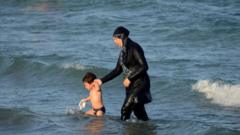
Syria's interim government, led by Islamist forces after the ouster of Bashar al-Assad's regime, has established a new set of guidelines impacting women's swimwear in public settings. Women are now required to wear burkinis – swimwear that leaves the face, hands, and feet exposed – or similarly "decent" clothing at public beaches and swimming pools, as part of a directive issued by the tourism ministry.According to Syrian state news agency Al-Ikhbariyah al-Suriyah, the regulations aim to enhance public safety standards and preserve decency in communal spaces. While women in Syria generally choose modest attire at the beach, some prefer Western-style swimsuits. The new decree stipulates that beachgoers must now don "more modest swimwear," stressing the burkini or outfits that cover most of the body.Furthermore, women are expected to wear cover-ups or loose garments while moving between swimming areas, and being dressed in swimwear outside the beach without proper cover is prohibited. The rules also apply to men, who must wear shirts away from swimming zones and cannot be bare-chested.The decree notes that "normal Western swimwear" is generally acceptable at exempted establishments "within the limits of public taste." It also advocates for loose clothing that covers the shoulders and knees, warning against transparent and tight outfits.Though no penalties have been established for non-compliance, the guidelines include other safety regulations related to pools and beaches. This new policy emerges in a time of change, as the interim president, Ahmed al-Sharaa, has committed to an inclusive governance approach following a tumultuous period marked by civil war. In a recent interview, al-Sharaa promoted women's education and denied intentions to restrict women's rights, echoing the public's demand for greater freedoms.As the situation evolves, observers remain cautious about potential shifts in civil liberties and the delicate balance between cultural traditions and modern influences in a post-war Syria.