In brief
Military attacks disrupt efforts to support victims of a devastating earthquake, as calls for peace grow louder.
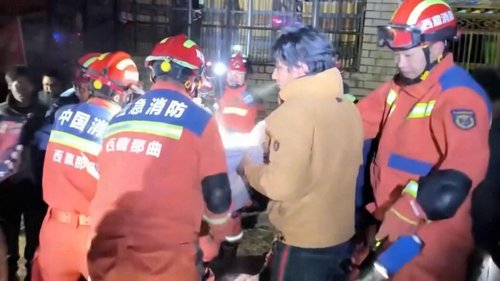
Fighting continues in Myanmar even after temporary ceasefires were proclaimed by both the military junta and a coalition of rebel groups aimed at facilitating earthquake relief. Reports indicate that since the ceasefire was instituted, the military has conducted at least 14 air and ground assaults, as confirmed by the UN Human Rights office. The military contends that attacks by two of the rebel factions claiming a ceasefire prompted their actions. According to Maj Gen Zaw Min Tun, spokesperson for the military council, they will respond aggressively if military bases are attacked without provocation, although an army spokesperson did not respond to inquiries from BBC Burmese.Following a devastating 7.7 magnitude earthquake on March 28, UN High Commissioner for Human Rights Volker Türk has called for an end to all military operations and emphasized the urgent need for humanitarian access to affected areas. The nation's civil conflict has been ongoing since the junta seized control in a coup in 2021, involving confrontations between the military and various ethnic militias.On April 2, the military announced a 20-day ceasefire, just after an alliance of three rebel groups made a similar declaration. Reports from state media suggest that the official death toll from the earthquake has now reached 3,564, with 5,012 more injures and 210 individuals unaccounted for. Rescue missions in Mandalay have uncovered numerous bodies in the wreckage, hampered by recent rainfall that complicates relief efforts.The UN Human Rights office reported on Friday that while some humanitarian operations made progress where access was possible, many severely affected regions remain unreachable due to military restrictions, aside from localized, community-driven relief efforts. UN humanitarian chief Tom Fletcher highlighted the immediate needs of those affected, including food, water, and shelter, while noting that aftershocks from the earthquake continue to traumatize the population. Prior to the quake, nearly 20 million individuals were already in critical need, exacerbating the existing humanitarian crisis fueled by ongoing conflict.