
In brief
The closure of Marineland Antibes due to new animal welfare laws has sparked controversy over the future of its captive orca residents. While proposals for relocation include options to sanctuaries or other marine facilities, experts caution that releasing them back into the wild may not be feasible due to their lifetime in captivity.
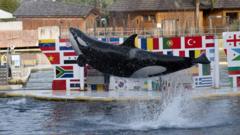
The fate of two killer whales is shrouded in uncertainty following the recent closure of Marineland Antibes, a prominent marine zoo in France, where the orcas, Wikie and her son Keijo, have lived. This decision came after the enactment of new animal welfare legislation, which bans performances involving dolphins and whales, set to be enforced next year. Marineland Antibes, considered the largest of its kind in Europe, announced it would end operations on January 5, raising significant concerns from animal rights campaigners and zoo management about the future care of the whales.The management at Marineland has indicated that shows featuring these animals are a major draw, attracting up to 90% of visitors, and argue the closure makes the business unsustainable. Still, differing opinions on the whales' relocation have arisen, as experts warn it would be inappropriate to release Wikie and Keijo into the wild, given their entire life spent in captivity. Hanne Strager, a marine biologist, drew parallels to pets, explaining, "It's a bit like taking your dog out of the house and sending him into the woods to live freely as a wolf." Both whales have formed strong bonds with their human trainers, which is critical for their wellbeing and social dynamics. Efforts by campaigners to reroute Wikie and Keijo to sanctuaries, rather than another zoo, have highlighted options such as Loro Parque in the Canary Islands or a possible sanctuary off Nova Scotia's coast. However, the former is associated with past controversies regarding orca welfare, while the latter is still seeking financial backing and government support.The Whale Sanctuary Project (WSP) proposes creating a 98-acre enclosed bay to provide a more natural yet controlled environment where the whales can thrive away from performance demands, while Maritime laws have already hindered a prior plan to relocate them to a facility in Japan. Despite the challenges, advocates remain dedicated to ensuring Wikie and Keijo receive the humane treatment they deserve, hoping to prevent them from enduring further captivity in entertainment venues. The call for stronger protections comes in the wake of a larger movement against marine parks heavily influenced by documentaries like Blackfish, which heightened awareness of the ethical issues around captive cetaceans.The closure of Marineland, established in 1970 by Count Roland de la Poype, marks a significant moment in the ongoing debate over marine animal captivity, reflecting evolving views on animal rights and welfare on a global scale.

