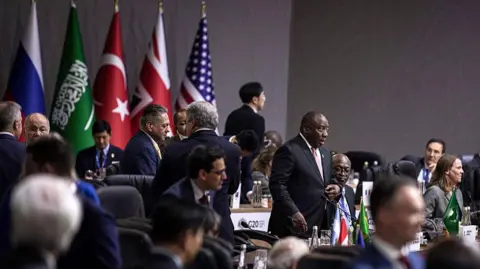
More than nine billion tonnes of plastic have been produced globally, with recycling rates languishing below 10%. This stark reality prompted representatives from over 200 countries to convene in Busan, South Korea, in hopes of finalizing a landmark treaty to address the pervasive issue of plastic waste that severely impacts marine ecosystems. However, despite extensive discussions spanning more than two years, the meeting ended in disappointment.
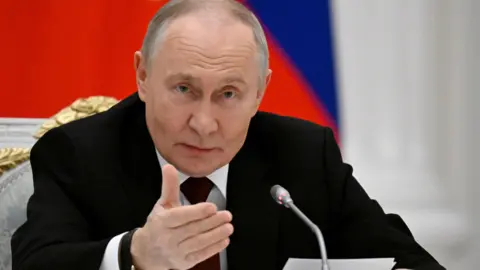
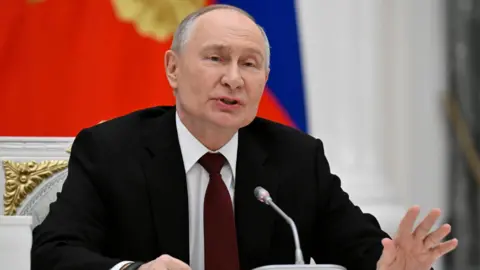
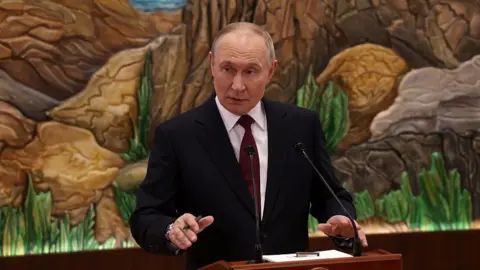
A clear divide emerged, particularly on Article 6 of the treaty, concerning the commitment to cut plastic production versus enhancing recycling efforts. High ambition countries, including the UK, the European Union, and numerous South American nations, urged for legally binding pledges to reduce production levels. In contrast, oil-producing nations like Saudi Arabia, Kuwait, and Russia argued against measures they believed could threaten economic growth and development.
Environmental advocates previously celebrated the 2022 consensus that a global treaty was necessary, acknowledging the urgency brought on by the rising tide of plastics inundating oceans—estimated at 171 trillion pieces. However, dissenting views from countries like India echoed fears that constraints on production would hinder their developmental rights.
The fossil fuel sector’s influence on the negotiations raised alarm, with reports indicating overwhelming resistance from petrochemical companies towards plans for production cuts. In light of the stalled talks, experts stress the need for those advocating for stringent measures to pursue independent pathways to a treaty, voicing hope for renewed discussions next year to ultimately tackle the pressing plastic pollution crisis.
The failure to congeal consensus only postpones decisive action while the plastic crisis worsens, creating an urgent need for collaboration among nations and industry stakeholders to foster sustainable solutions in the fight against pollution.
A clear divide emerged, particularly on Article 6 of the treaty, concerning the commitment to cut plastic production versus enhancing recycling efforts. High ambition countries, including the UK, the European Union, and numerous South American nations, urged for legally binding pledges to reduce production levels. In contrast, oil-producing nations like Saudi Arabia, Kuwait, and Russia argued against measures they believed could threaten economic growth and development.
Environmental advocates previously celebrated the 2022 consensus that a global treaty was necessary, acknowledging the urgency brought on by the rising tide of plastics inundating oceans—estimated at 171 trillion pieces. However, dissenting views from countries like India echoed fears that constraints on production would hinder their developmental rights.
The fossil fuel sector’s influence on the negotiations raised alarm, with reports indicating overwhelming resistance from petrochemical companies towards plans for production cuts. In light of the stalled talks, experts stress the need for those advocating for stringent measures to pursue independent pathways to a treaty, voicing hope for renewed discussions next year to ultimately tackle the pressing plastic pollution crisis.
The failure to congeal consensus only postpones decisive action while the plastic crisis worsens, creating an urgent need for collaboration among nations and industry stakeholders to foster sustainable solutions in the fight against pollution.